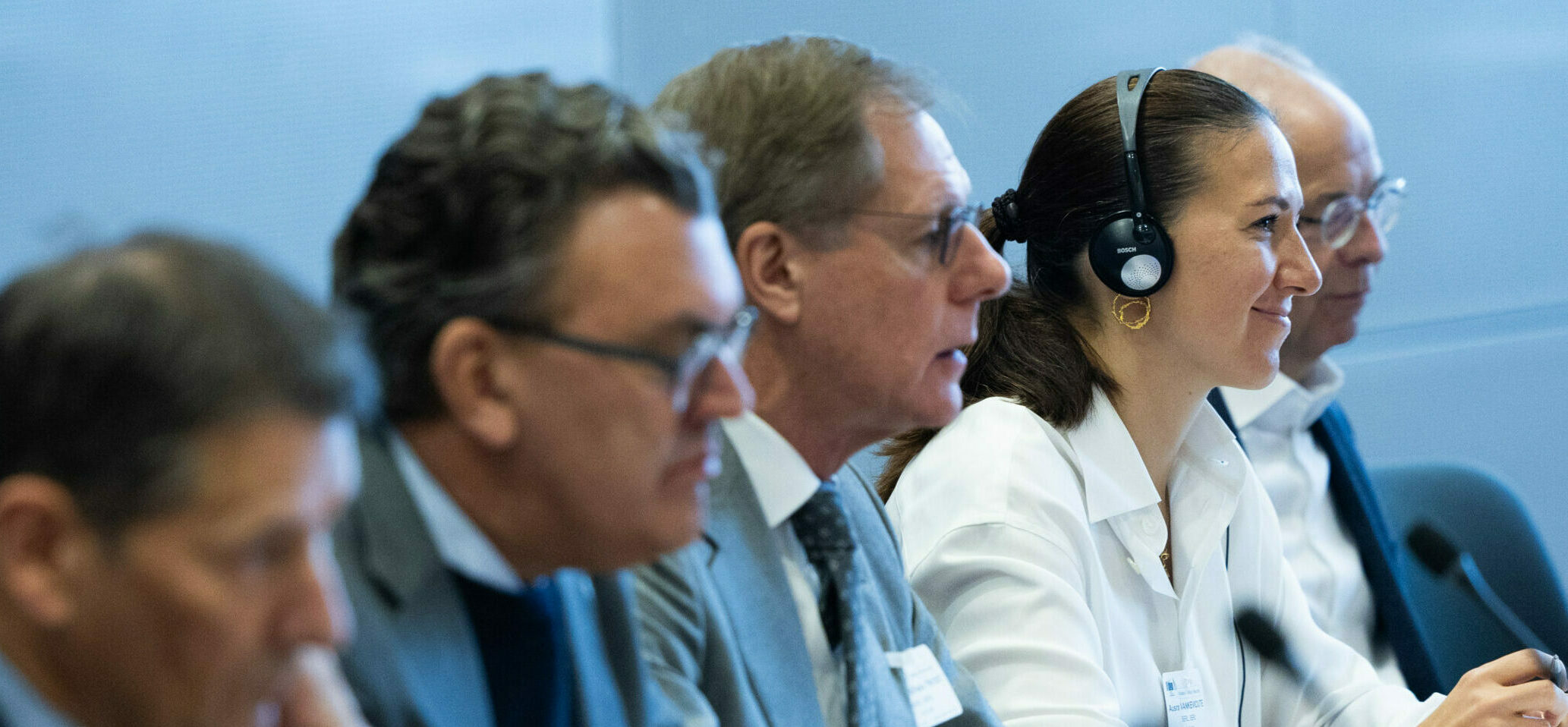
As part of the London Real Estate Forum on September 17th, Staticus was proud to host a roundtable On 2 December 2025, the European Commission invited a group of 15 organisations representing the construction value chain to Brussels for a focused discussion on the functioning of the construction ecosystem in the EU. Staticus was represented by Aušra Vankevičiūtė, Group CEO at Staticus.
The meeting, hosted by Stéphane Séjourné, Executive Vice-President for Prosperity and Industrial Strategy, centred on practical obstacles that affect the competitiveness and productivity of the European construction sector.
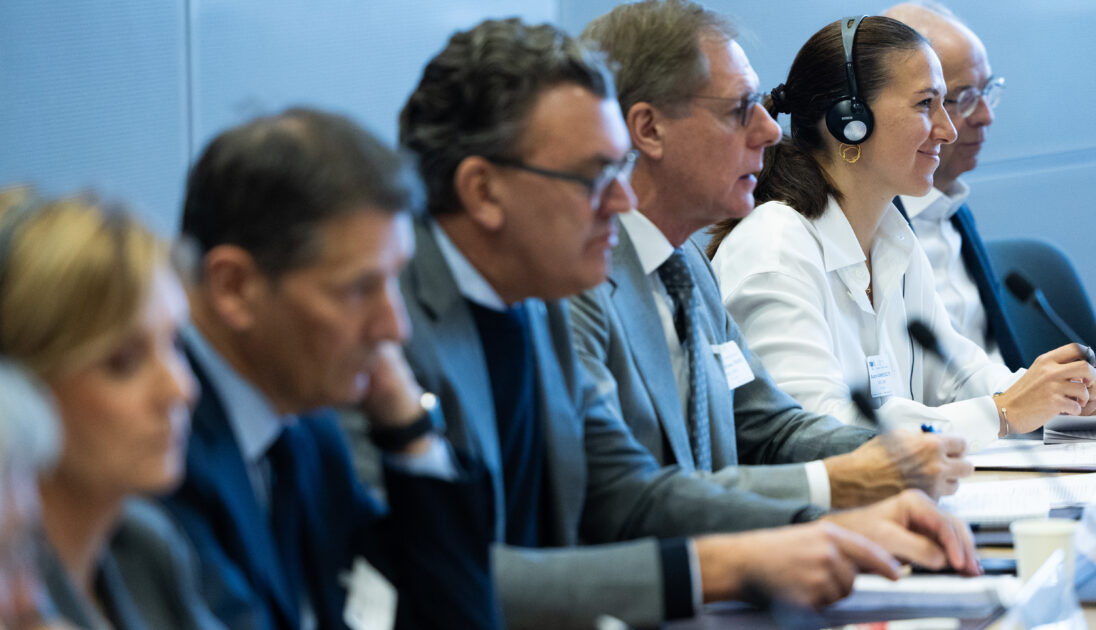
Key topics discussed
1. Fragmented permitting rules and slow approvals
Participants agreed that unpredictable, lengthy permitting procedures remain one of the biggest obstacles to timely project delivery. Although EU regulations exist, national interpretations differ widely.
- Many processes remain paper-based or semi-digital
- Approval timelines are inconsistent and non-transparent
- Offsite manufacturers face production volatility when client permits are delayed
For companies working across borders, this creates avoidable idle time, cost, and planning uncertainty.
Aušra noted the direct operational impact:
“Across Europe, permitting and accreditation processes still take far too long. Most of the delays are not technical – they come from slow, paper-based procedures. Time is money in construction, and digital tools would immediately bring more speed and transparency.”
2. Lack of digitalisation in public administration
The industry is increasingly digital, but many permitting authorities are not.
- BIM-based submissions cannot be fully processed
- Manual checking leads to repeated work and errors
- Digital tools are unevenly recognised across Member States
Digitalisation was consistently mentioned as the fastest way to bring more speed, clarity, and transparency to construction processes.
3. Labour mobility and skills recognition challenges
Companies delivering cross-border projects face diverging national rules on:
- posting of workers
- social security requirements
- recognition of skills and qualifications
This slows down the movement of specialised installation teams and restricts access to the skilled labour needed for complex façades and high-value systems.
Aušra highlighted this as one of urgent issues:
“For companies working across borders, the biggest constraint is the limited mobility of skilled labour. Divergent rules and slow recognition of qualifications make it difficult to move expert teams where they are needed.”
4. National “gold-plating” and inconsistent standards
Several Member States add extra testing or national certifications on top of EU-level requirements.
- Technical solutions that are already CE-marked often undergo additional national checks
- This increases cost and delays without improving safety or quality
Participants agreed that this holds back innovation and undermines productivity.
5. Slow accreditation processes
Lengthy conformity and accreditation procedures force companies to maintain older working methods, even when better technology is available.
This was identified as a structural blocker for modernisation, digital workflows, and industrialised construction.
6. Circularity regulations and upcoming EU acts
Participants welcomed the upcoming Circular Economy Act, but emphasised the need for clear, harmonised definitions and realistic implementation timelines.
Circularity targets must work with – not against – factory-based, high-performance building systems.
7. Procurement models that discourage innovation
Lowest-price procurement remains dominant across several EU markets, limiting the use of innovative solutions, long-term value engineering, or modern construction methods.
Participants noted that public procurement reform could play a key role in enabling digitalisation, offsite construction, and quality-based selection.
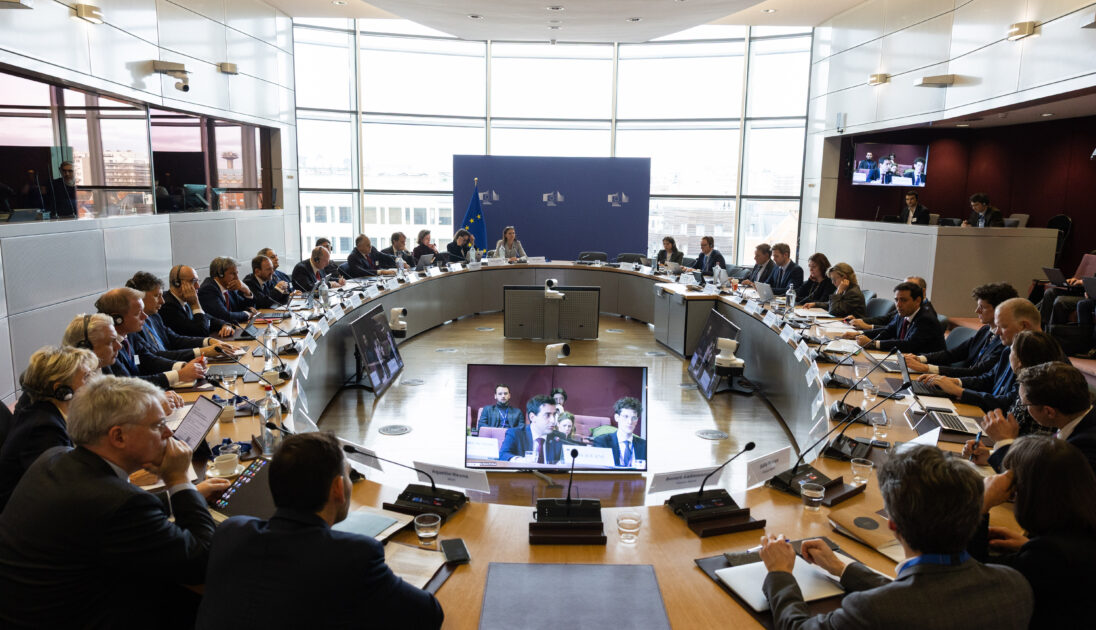
Aušra Vankevičiūtė’s contribution
Representing Staticus and the façade engineering and implementation services sector, Aušra highlighted how inconsistent rules, low digital maturity, and limited labour mobility directly affect cross-border project schedules, procurement processes, and factory planning.
“These challenges are not unique to us – they are shared across the entire industry, and the solutions are within reach. No single company can overcome fragmented rules or slow procedures alone. If Europe can simplify processes, strengthen digital tools, improve transparency, and support the free movement of skilled people, the construction sector will be able to deliver faster, more sustainably, and with far greater predictability.”
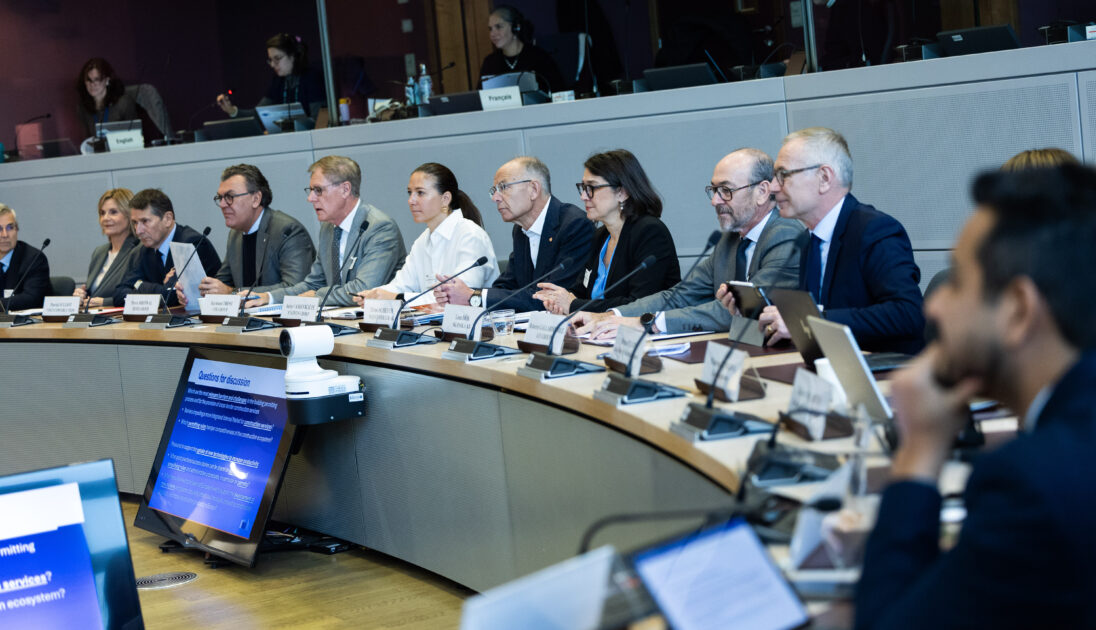
Looking ahead
The insights gathered during the meeting will be reflected in the upcoming European Strategy for Housing Construction. This strategy aims to address structural barriers, support innovation, and create more consistent conditions for companies working across multiple Member States.
For Staticus, taking part in this dialogue is an opportunity to represent the experiences of an internationally active façade contractor and contribute to policy discussions that directly shape how projects are designed, procured and delivered in Europe.
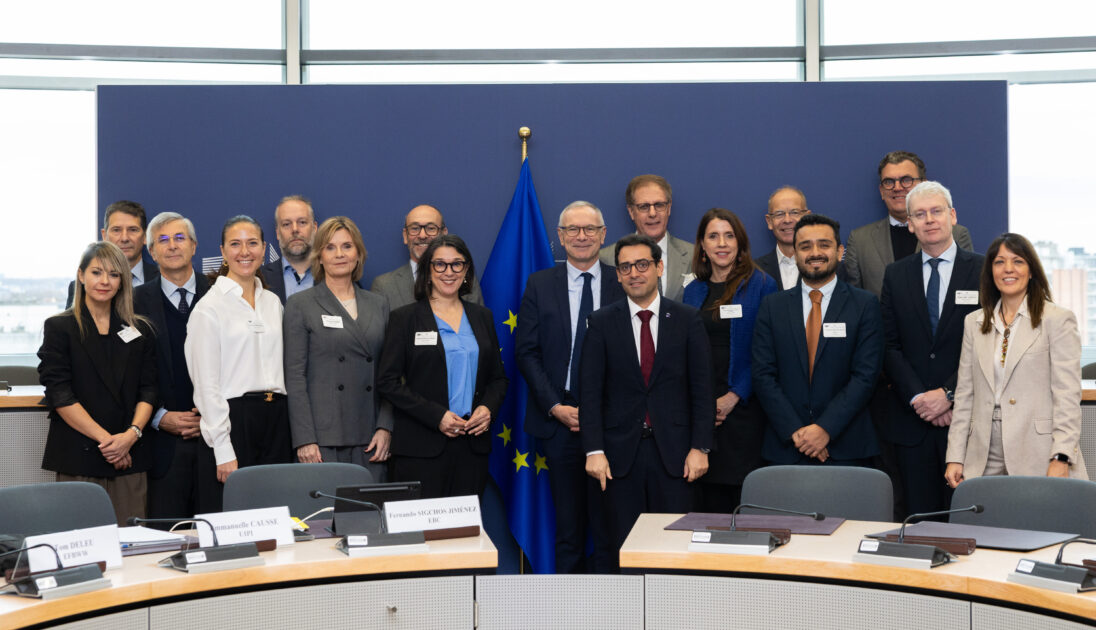
Participants
The meeting included representatives from:
- Sweco AB (Sweden)
- UIPI – International Union of Property Owners (European)
- EFBWW – European Federation of Building and Woodworkers (European)
- ACS Group (Spain)
- SKANSKA AB (Sweden)
- Kingspan Insulated Panels (Ireland)
- GBS (Bulgaria)
- ICOP (Italy)
- Heidelberg Materials France (France)
- Wienerberger AG (Austria)
- BESIX Group (Belgium)
- VINCI Construction (France)
- CFE Group (Belgium)
- STATICUS Group (Lithuania)