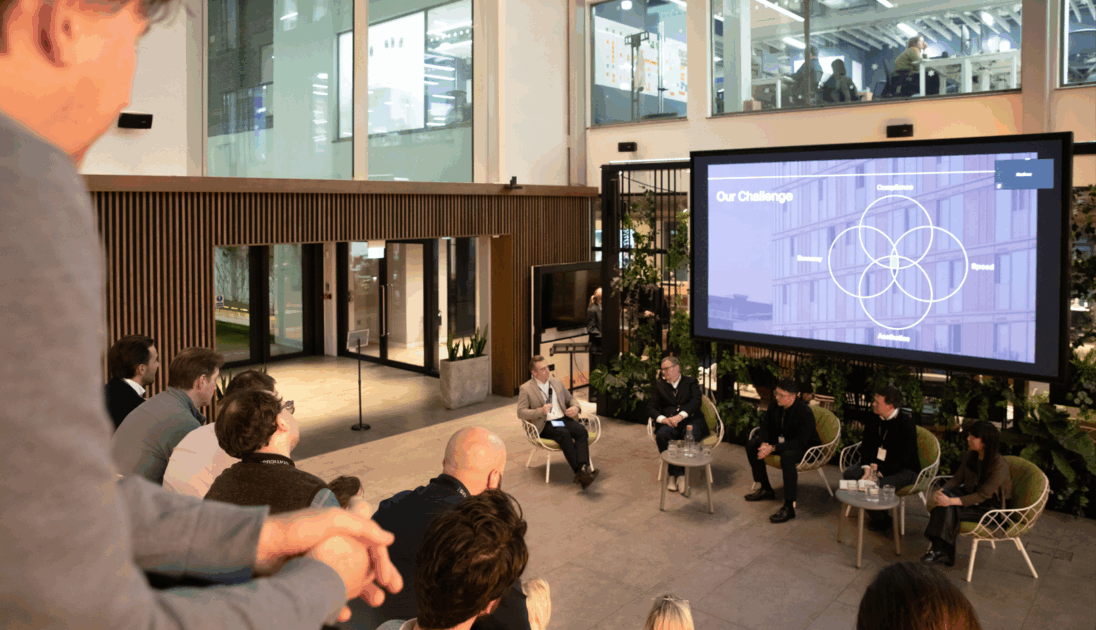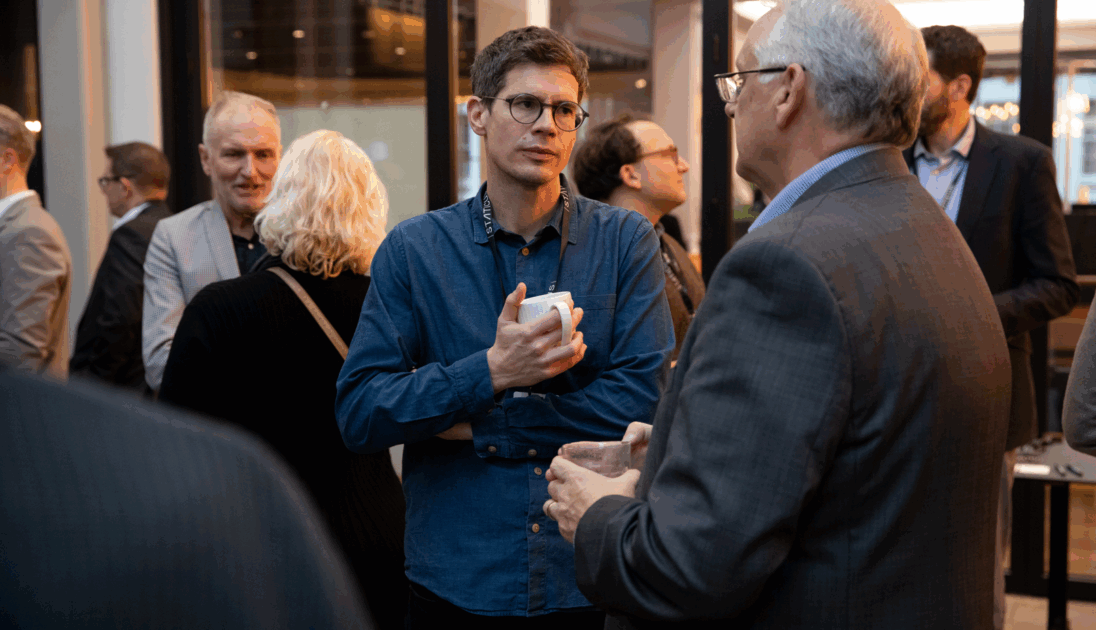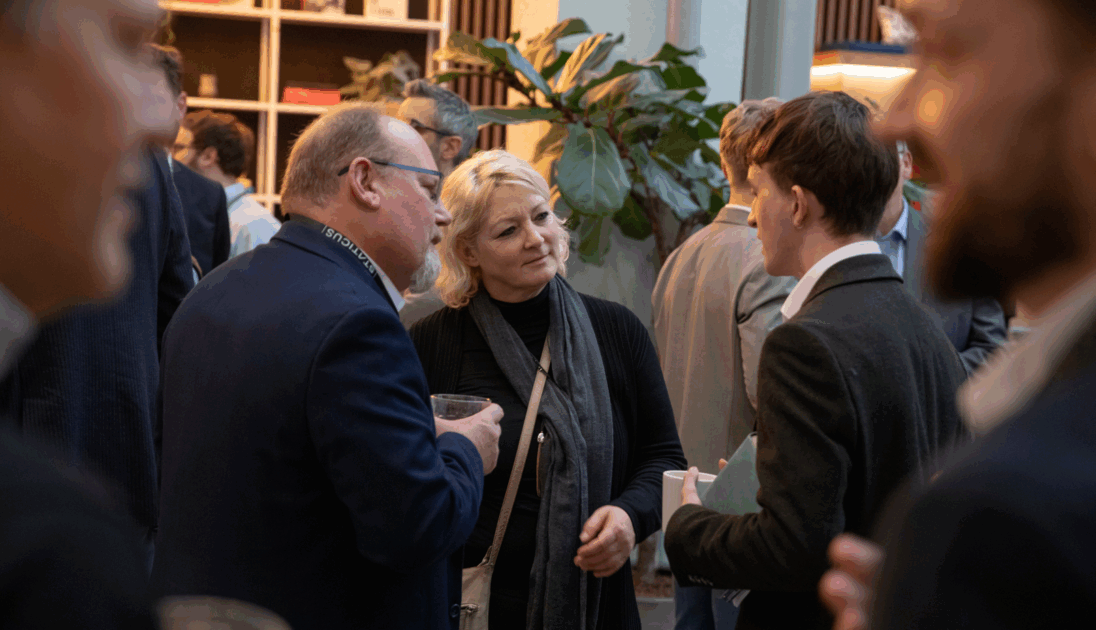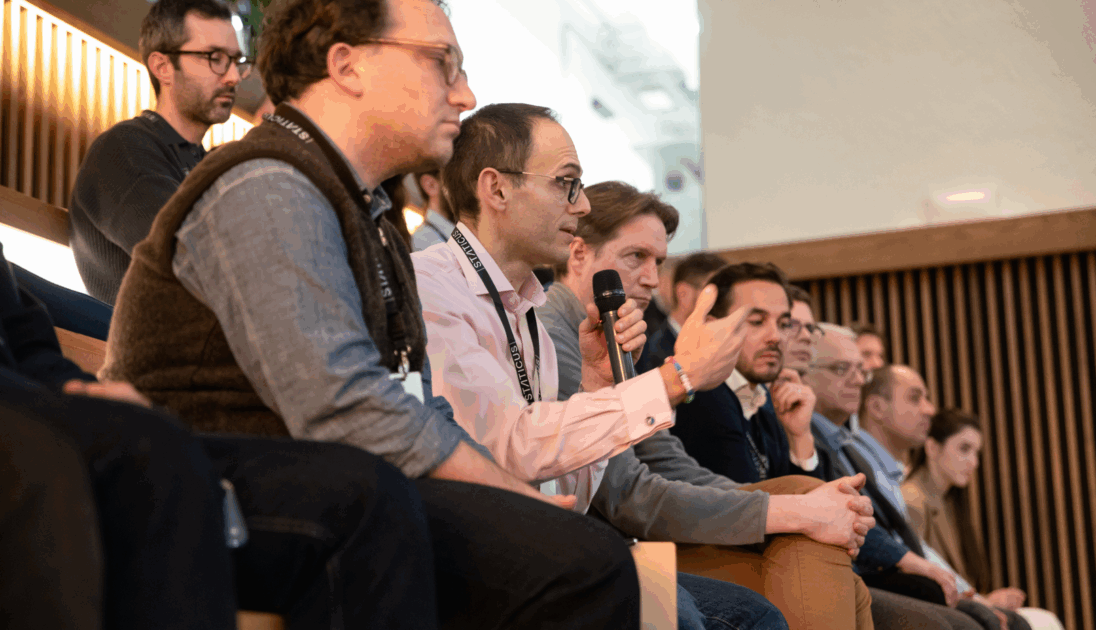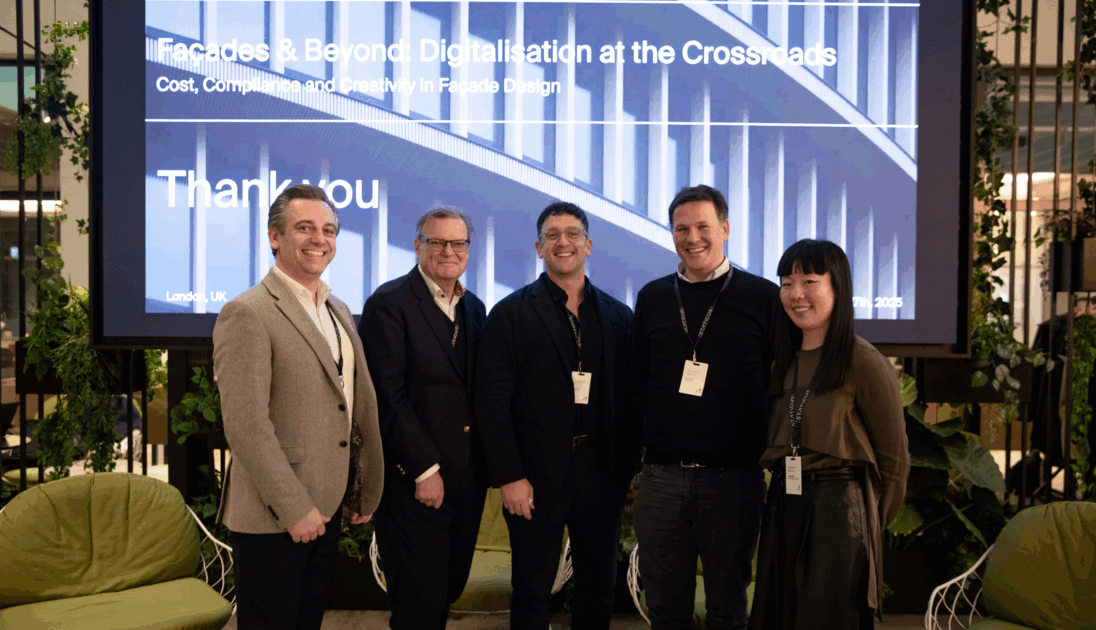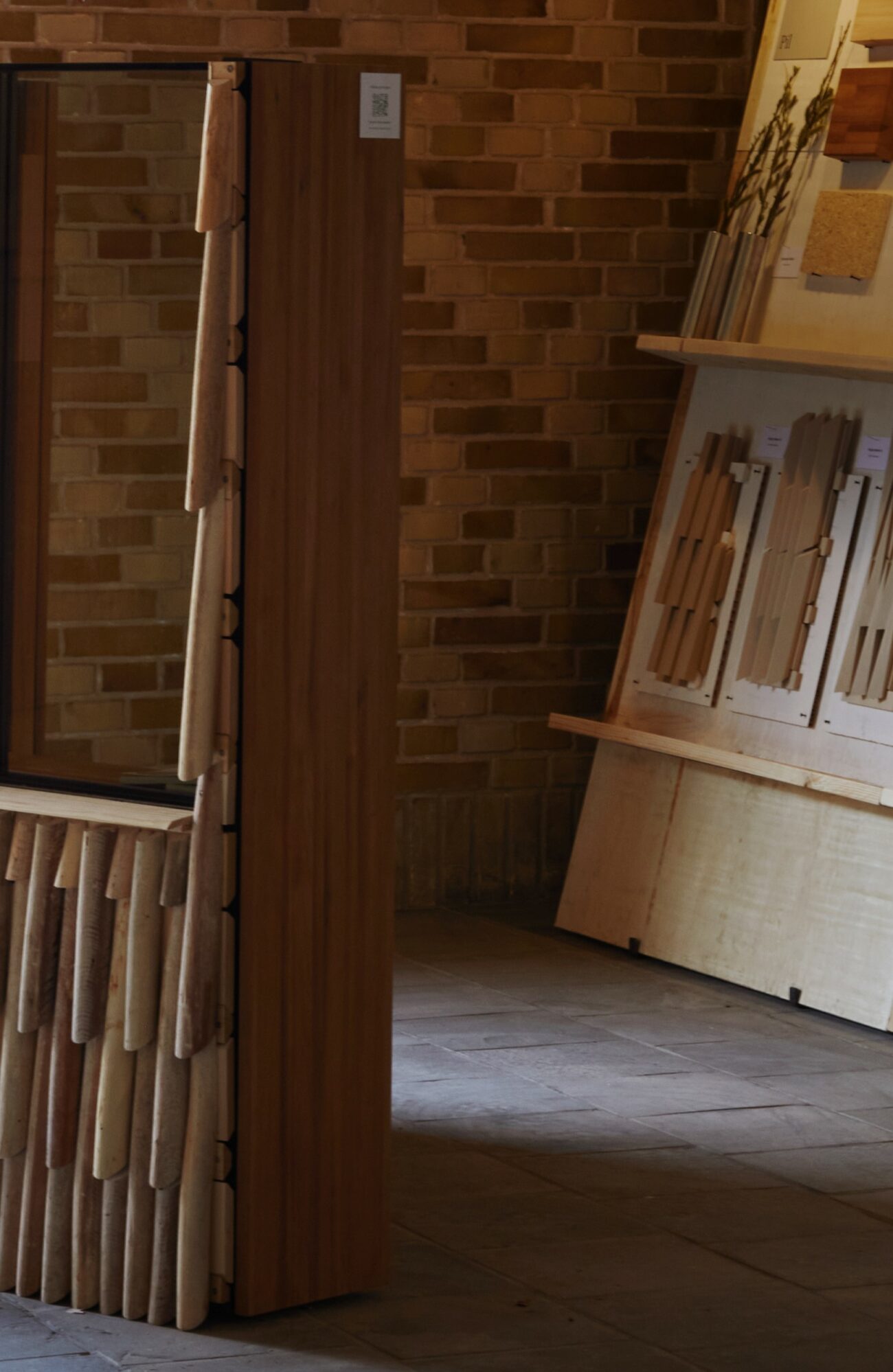
The Façades and Beyond event series continued on November 27th at FORA in London, with a speaker session and panel discussion exploring howdigitalisation, regulation, and creativity are reshaping the future of the built environment.
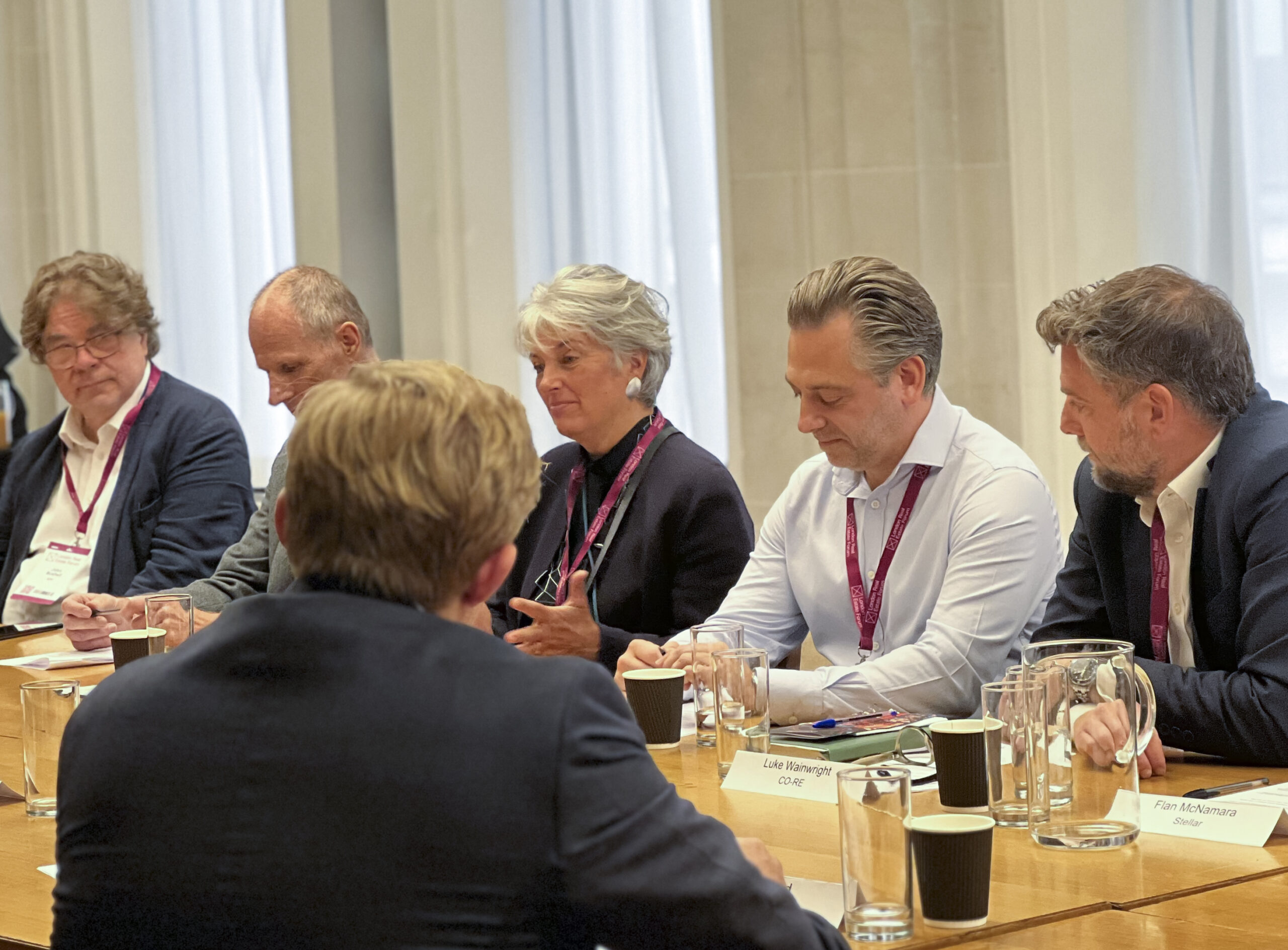
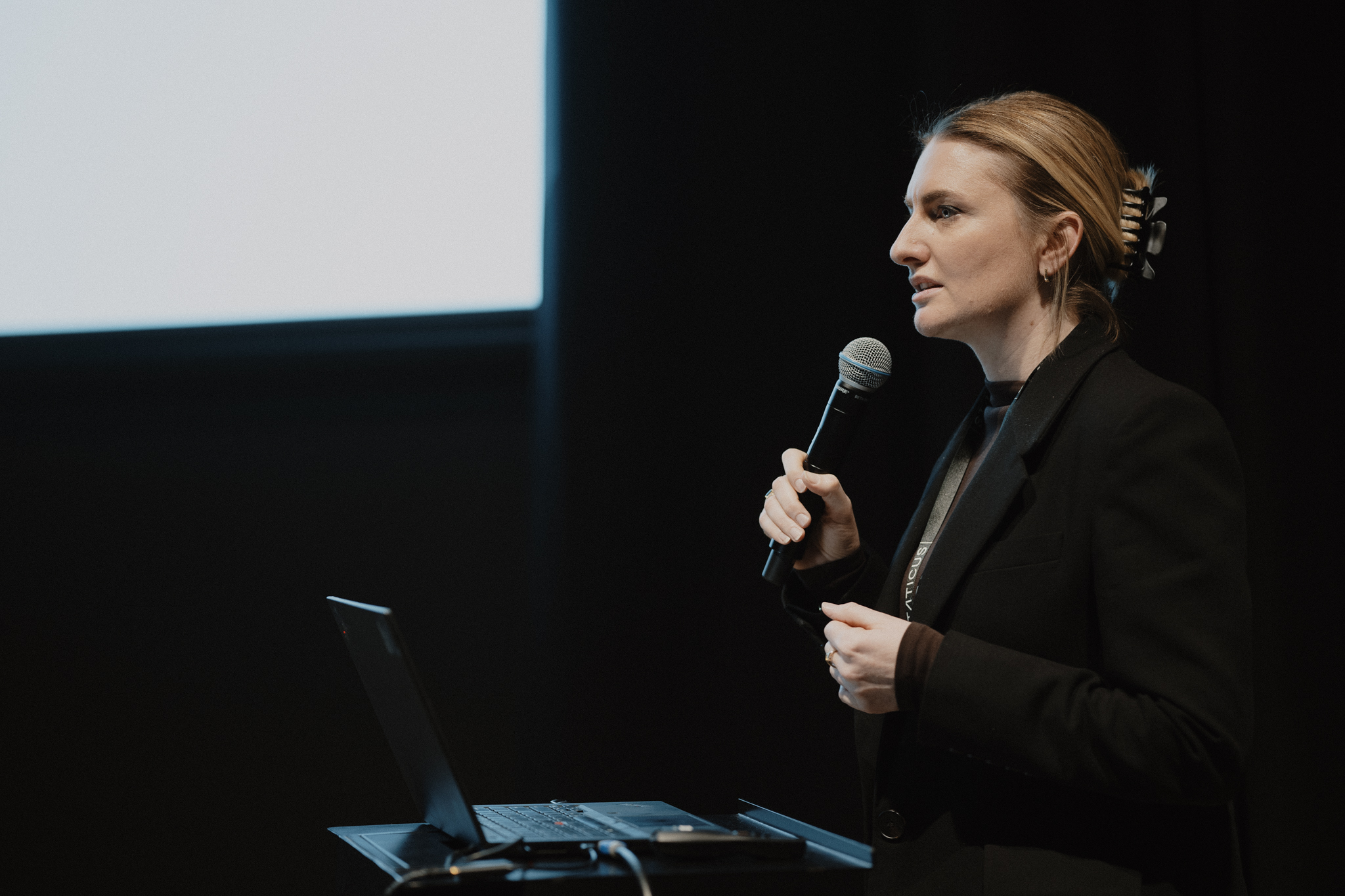
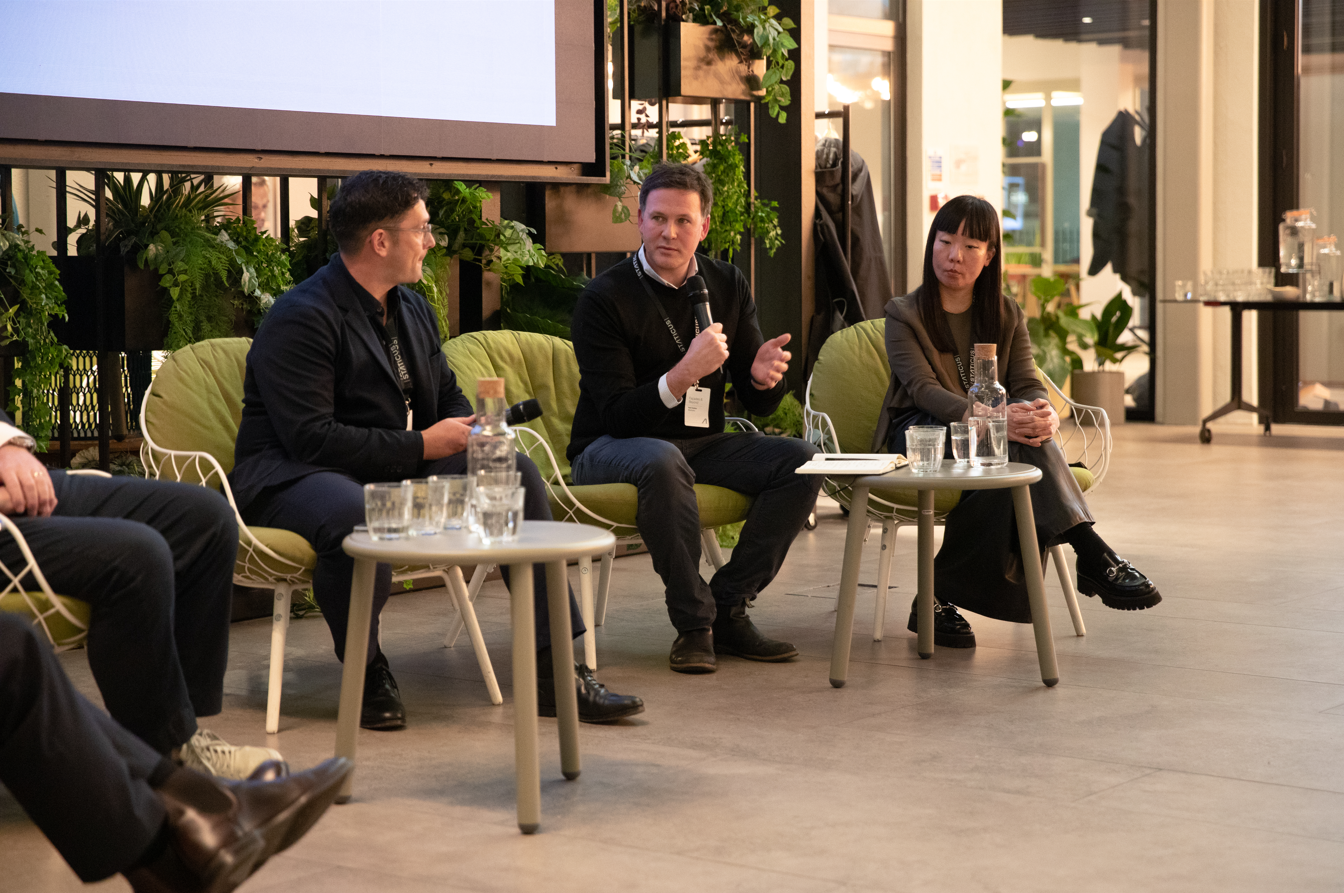
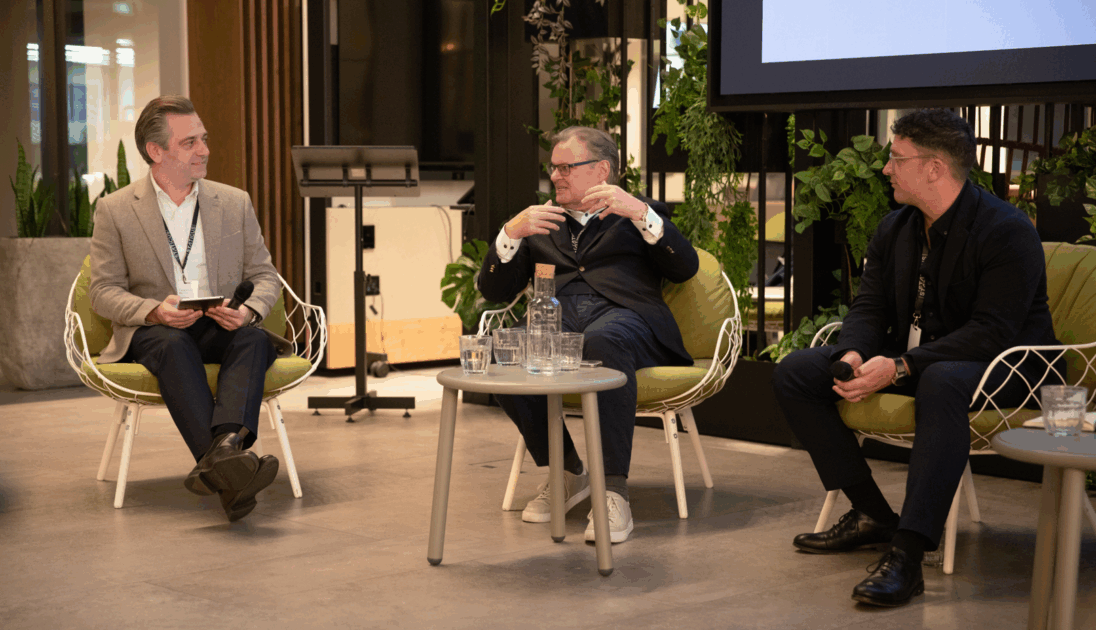
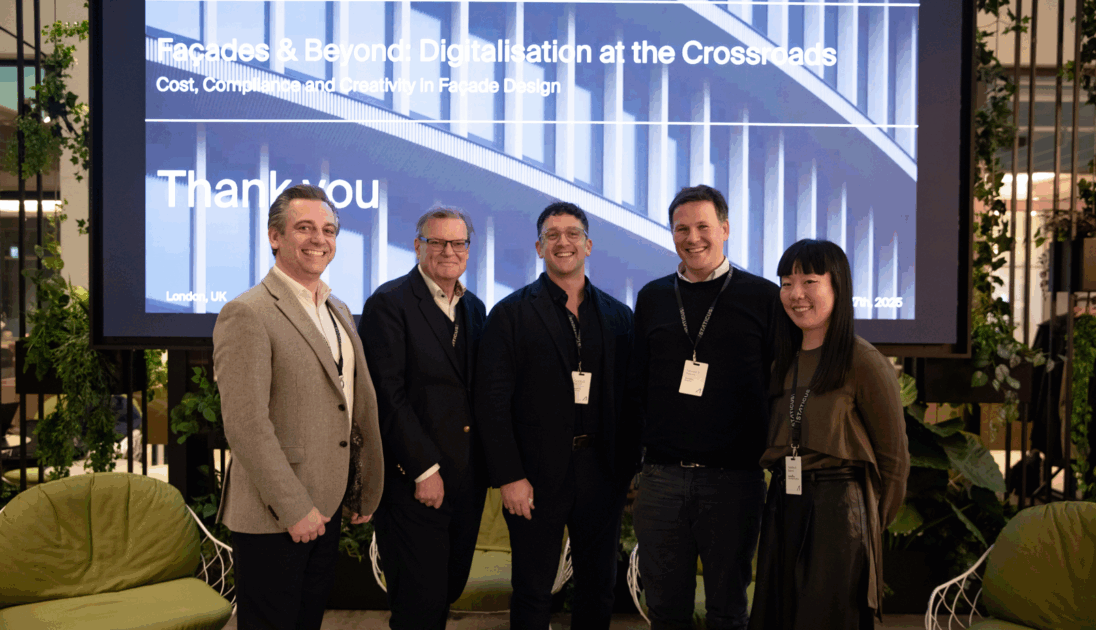
The event brought together key players representing clients, architects and contractors, to consider the future directions of our industry. Antony Slumbers, a global speaker and advisor on AI, real estate, and the future of work, delivered a wide-ranging keynote titled 10 things that matter in the future of real estate. This was followed by a panel discussion moderated by Aaron Dehara, Staticus’ UK Regional Director. Aaron was joined by Antony, together with Matt Warren, Head of Digital at Lendlease, Melodie Leung, Director at Zaha Hadid Architects, and Neil Dobbs, Head of Façades at Multiplex.
Such a wide-ranging discussion naturally resulted in multiple takeaways. Here are some of the most notable ones.
10 evolutions in real estate
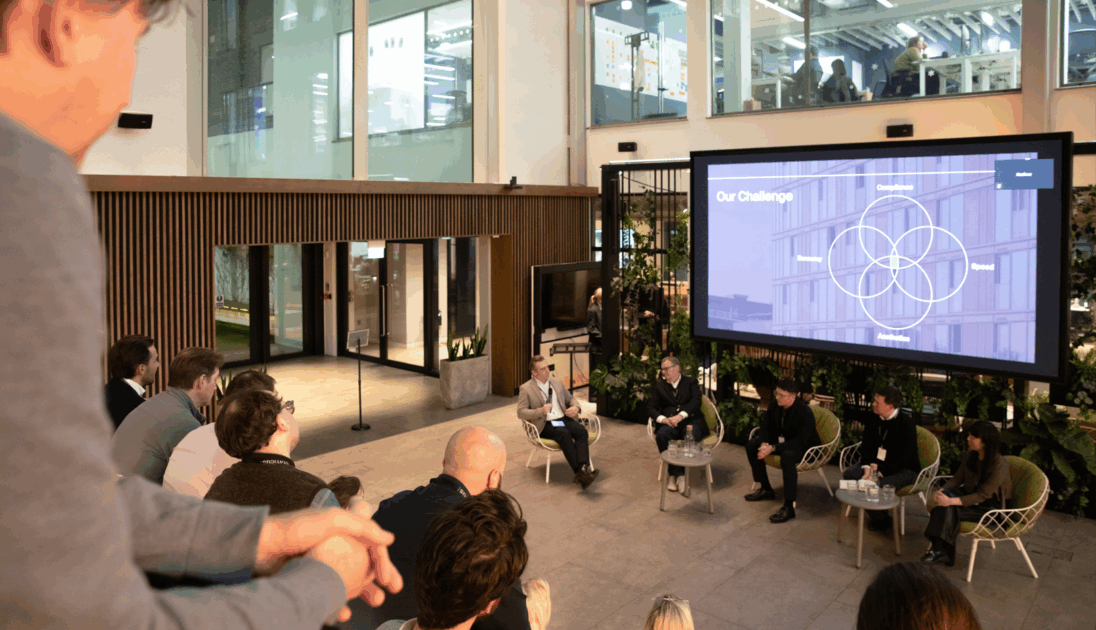
Antony Slumbers’ keynote covered a lot of ground as he talked through 10 shifts impacting the future of real estate. Antony grouped these into three categories:
- Performance: key evolutions in the way building performance is understood
- Human: the conditions, relationships and skills that will be needed to work productively in the age of AI,
- And service: the transition from selling spaces to delivering services, experiences, and ecosystems.
Performance
Addressing the first of these categories, Antony explained that we have now entered a context of uncertainty, one that is making single-use designs rapidly obsolete. In response, we should embrace design for volatility, adopting a mindset focused on resilience and anti-fragility, where systems are actually strengthened by change. Antony argued that a building’s sustainability credentials must be connected to its actual performance, verified using specific KPI metrics. The call was for stakeholders in construction to prove it, or suffer the consequences. Instant verification was also key to his reflections on the development of smart technologies beyond merely having integrated building sensors towards the building being “self-describing”.
Human
AI’s rapid development and disruptive impact dominated Antony’s reflections on the changes in human productivity that are underway. He argued that the emergence of radically more productive AI-enabled teams will have fundamental impacts on real estate, including potential reductions in office demand and the need to prioritise human wellbeing in the built environment to ensure optimum human ‘cognitive performance’. In terms of the skills needed to thrive in this environment, Antony emphasised a combination of real estate expertise, AI fluency including literacy in data science, and design thinking.
Service
In the final part of his talk, Antony envisioned a new model for real estate, where AI supports the hyperpersonalisation of spaces to suit individual needs, and where spaces themselves actively connect people to opportunities. In the context of AI’s disruption, it is up to the industry to innovate, creating new value and inventing a world we want rather than one which is imposed on us.
Tying together all 3 elements of this talk, Antony explained that creating productive teams (and the buildings that support them) is only possible when we have a performance-oriented, cyber-secure environment that provides auditable and verifiable data to the building’s end users. In turn, in order to capture the value created by these two elements, a service-based model for real estate is needed
Data literacy and improved coordination are needed
Building on the myriad themes Antony introduced, the panel embarked on an engaging conversation, exploring how digital tools can help balance compliance, speed, cost, and creativity in façade design.
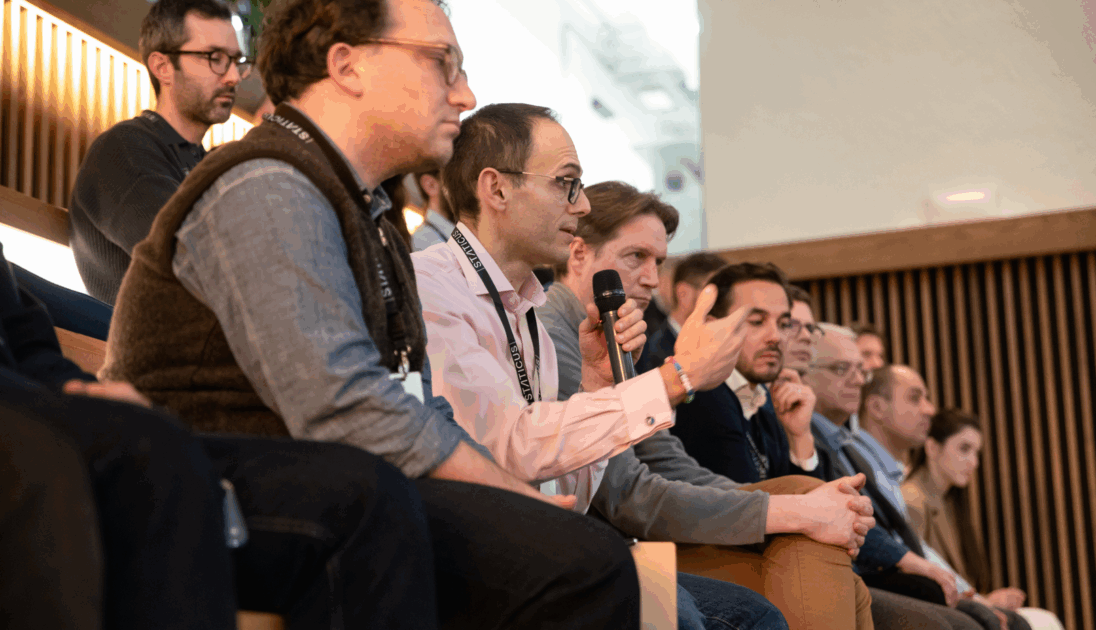
One of the first topics tackled was the need for improved data literacy and coordination within our industry. It was pointed out that we lack a shared communication platform where architects, contractors, clients, and regulators could view the same information at different stages of a project. While within one team it may be possible to work with a high degree of digital sophistication, other project partners may be working with less advanced software or have lower levels of digital literacy, resulting in challenges when projects are handed over.
It was explained that clients can play a constructive role in this context by being highly prescriptive in terms of structuring design briefs and project requirements. This refers not only to the data provided at completion, but also at the design stage, with effective data management adding value throughout all stages, from design and construction, to handover and in-use phases of the asset’s life.
Enhancing building performance
Another key point highlighted during the discussion was that contractors, such as Multiplex, are hungry for building performance and productivity data. Whilst data is captured for construction productivity which is proving valuable to inform data-driven planning and decision-making, Neil explained that often it is hard to come by the actual performance data from the buildings they have constructed during their in-use phase . More data would mean an improved understanding of how a building is being used and how it is performing.This would enable contractors to immediately focus on improving efficiency, rather than requiring weeks to work out how a building is performing and whether that matches how it should be performing. Naturally, verification will be key in order to ensure such data is reliable and accurate.
Human creativity and productivity in the age of AI
AI’s use within design is still very much human led, the panel argued, even if the landscape is changing rapidly. More experienced architects are able to achieve more robust results than juniors thanks to their intuitive and deep understanding of architectural fundamentals.
Concerns were also highlighted with regards to opportunities for those coming up in our industry. To make effective decisions using AI, engineers and designers need the competency to have understood the process. That competency comes with experience and mastery, and finding a way to ‘download’ that information is important but elusive. Without this experience, taking decisions with confidence is more difficult. (Perhaps something here about the need today for Human-led specialist knowledge being required to validate AI repsonses, to ensure trust in the output)
Overcoming these challenges will unlock productivity gains within our sector, the panellists agreed. Estimates were shared that up to 40% of a team’s time within our sector is spent on non value-added activity, which could be potentially handled by AI. Furthermore, AI can support the upskilling of professionals in our sector, especially when there is a tendency to work within small circles and not reach out with questions or issues.
Regarding how project partners work together, it was pointed out that there are easy wins to be achieved when it comes to more streamlined communication and coordination. If data and AI can be leveraged in this regard, the time for a residential project to reach the start of Gateway 2 could be cut to 44 weeks, or even shorter.
Actively direct the future of façades
This Façades & Beyond gathering was an active manifestation of a key argument Antony made, namely that professionals in our industry must be proactive in creating the future we want. The emphasis panellists placed on the central role human creativity and expertise still play – even as AI tools rapidly develop – underscored the value of open-minded conversation and knowledge sharing. Continuing and strengthening dialogue between different stakeholders in construction
will enable true innovation and value creation to happen during a period that is volatile, yet rich with opportunity.