Managing complexity in a live, public environment
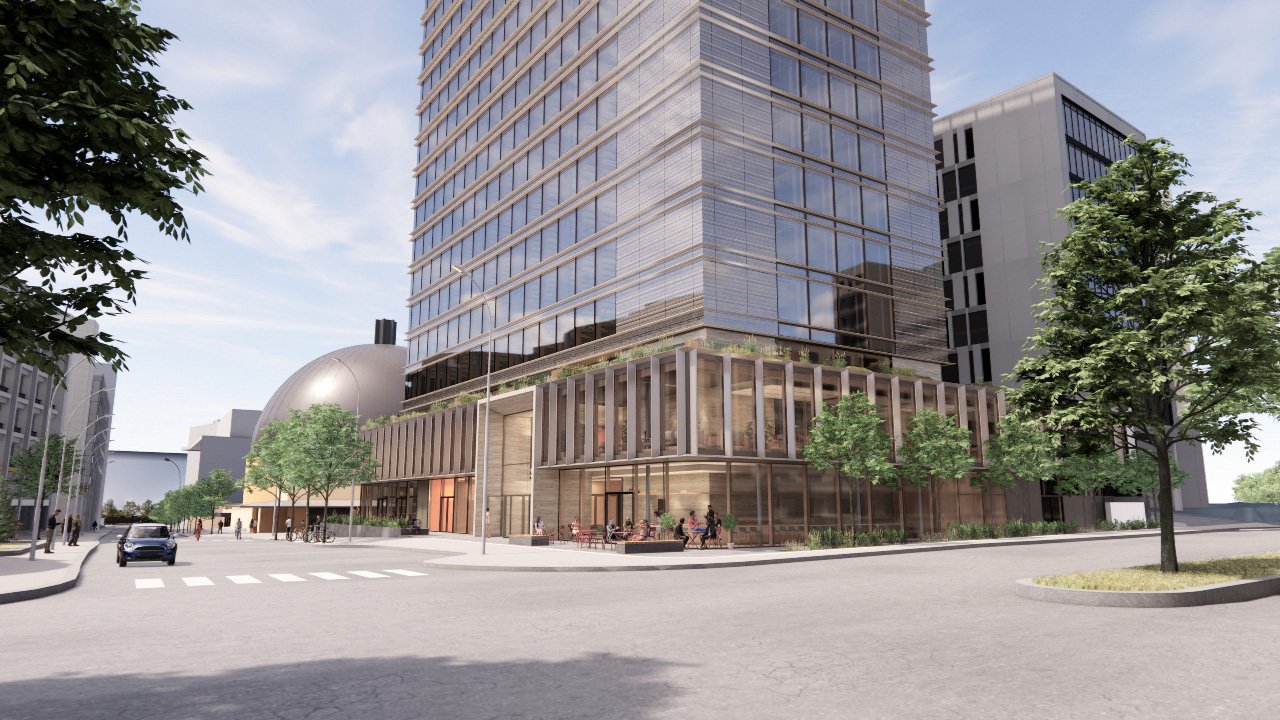
Victoria Hub is a central London office and retail development at the entrance to Victoria Station. Staticus was asked to replace three structurally bonded glass units following breakage;
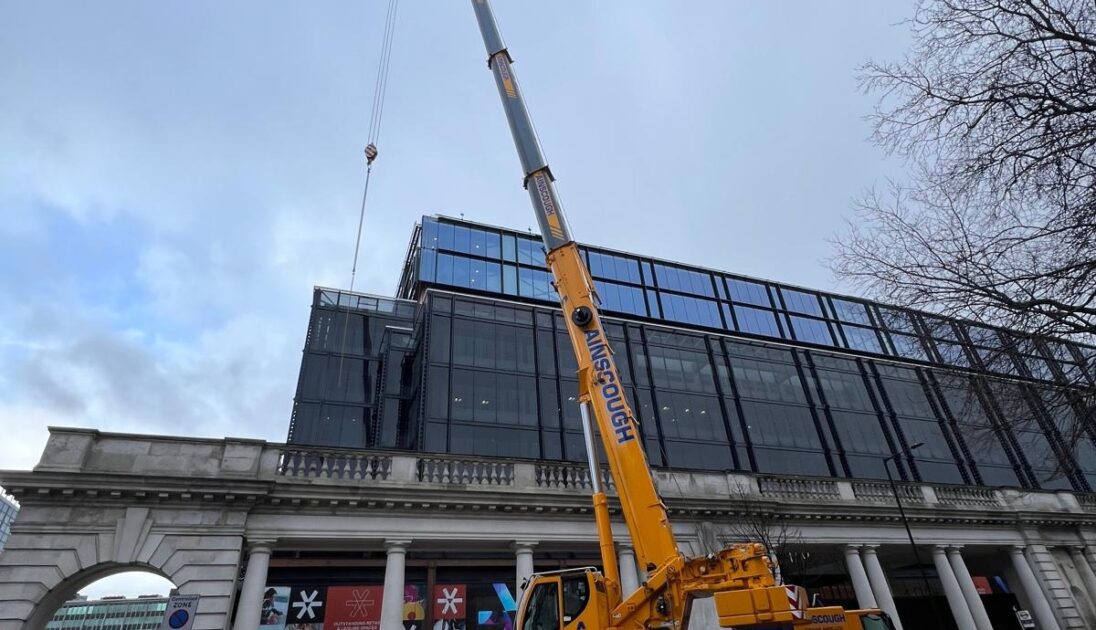
Although limited in quantity, the damaged glazing presented a disproportionate level of risk.The affected glazing sat above a terrace area with installed equipment and an existing structure below, and safe handling of large, heavy glass had to be planned without placing loads onto sensitive areas. Plus, the chosen lifting arrangement required a mobile crane positioned from street level, with traffic management and permitting to support the operation on Buckingham Palace Road.
The priority was to reinstate the façade safely, correctly, and decisively, without impacting building operations or requiring repeated interventions.
This was not a standard maintenance replacement. A fragmented or reactive approach would have increased the likelihood of:
- Repeat site visits
- Extended public interface controls
- Programme slippage and escalating costs
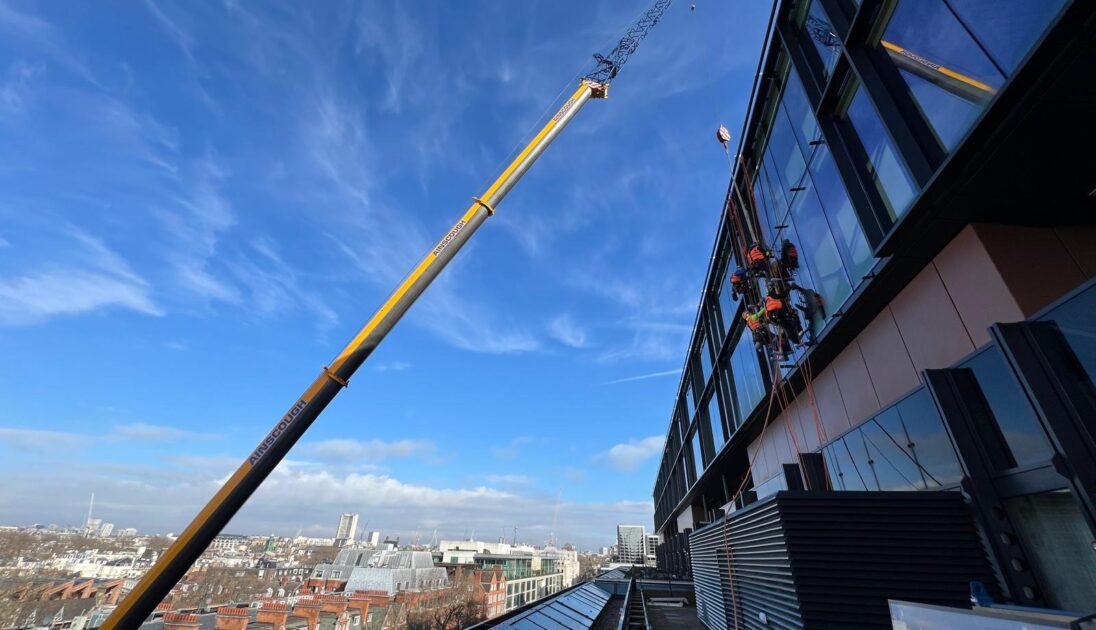
Approach required for safe access, lifting, and minimal disruption
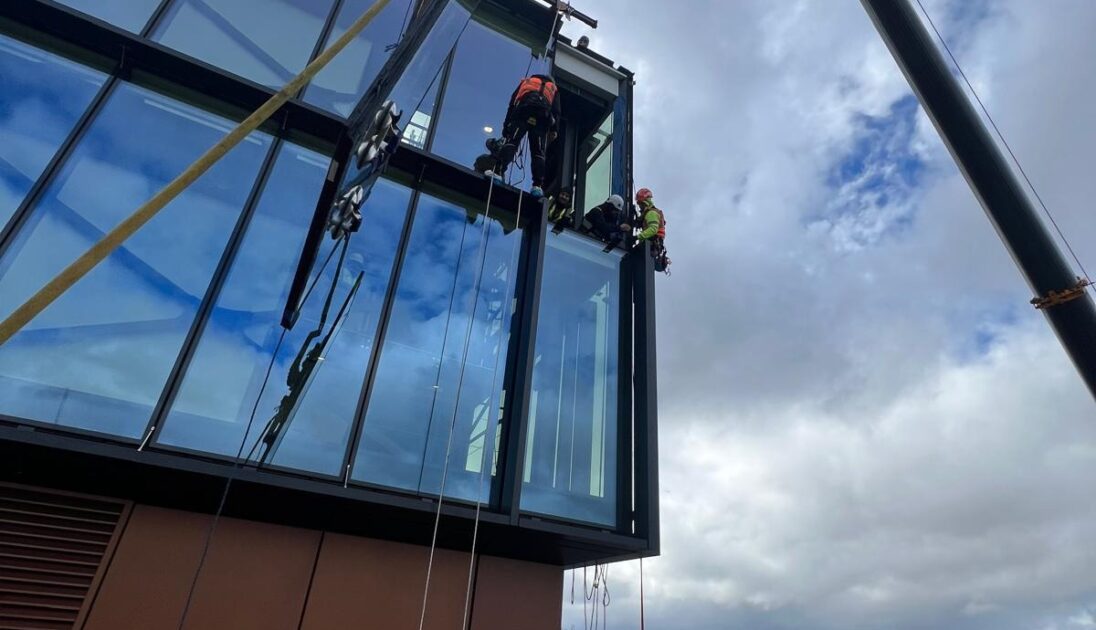
The glazing was positioned above a terrace area that contained equipment, so standard access equipment could not be set up there safely or without risking damage. The access plan therefore had to avoid placing loads on the terrace while still giving the team a stable working position at the façade.
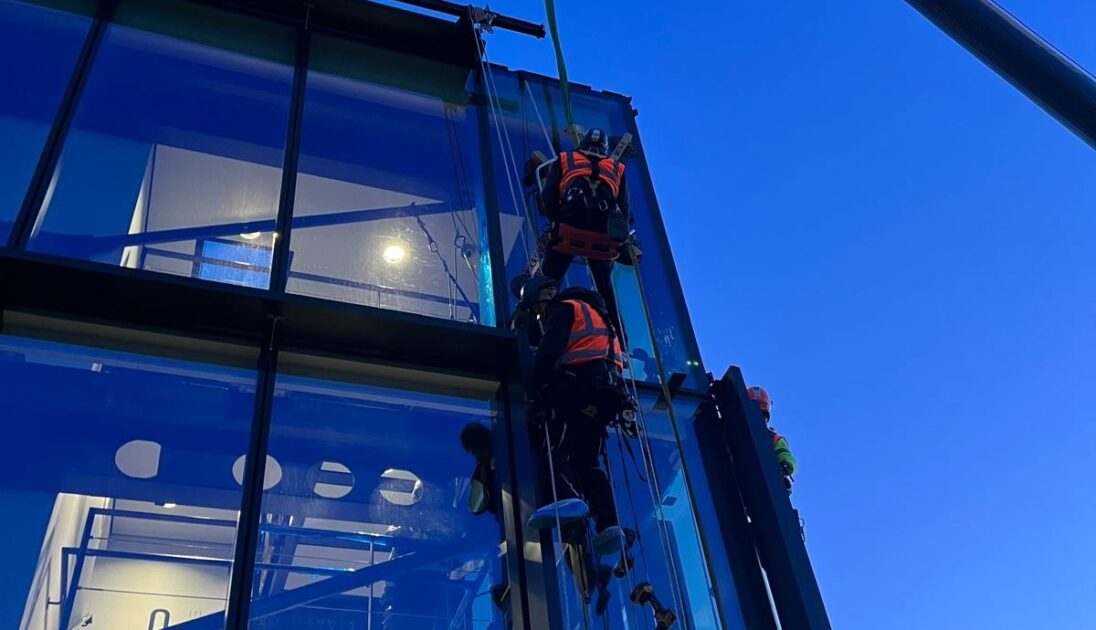
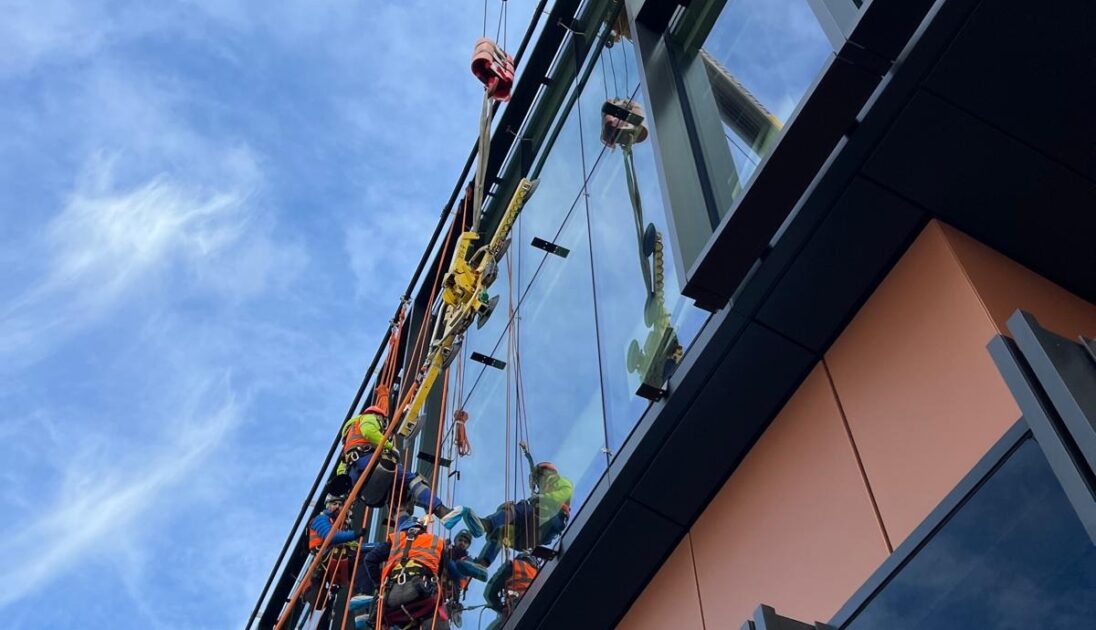
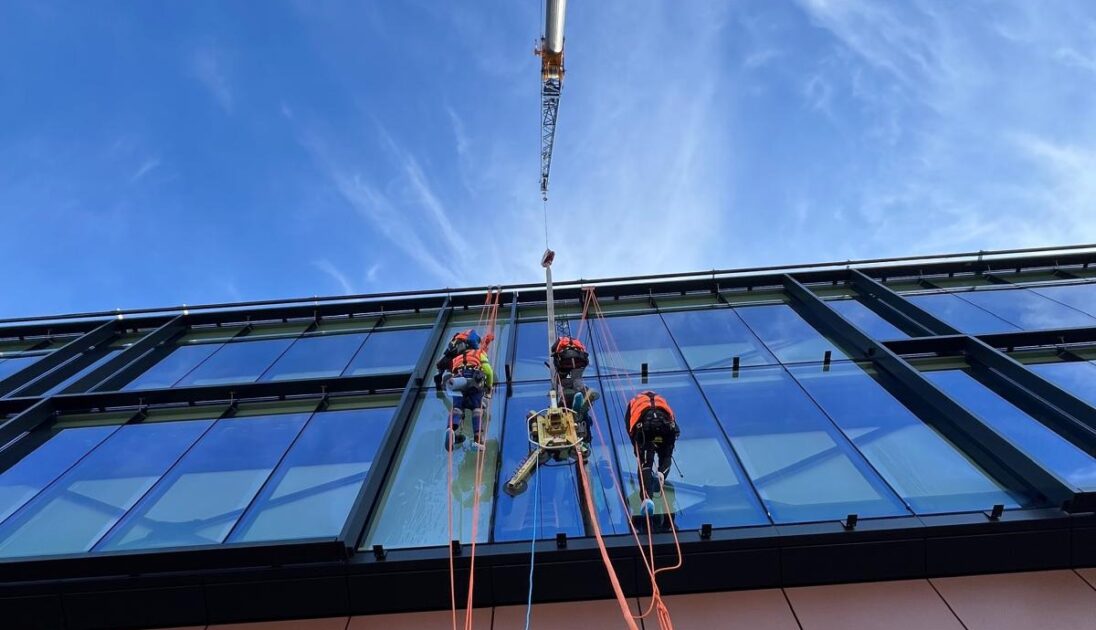
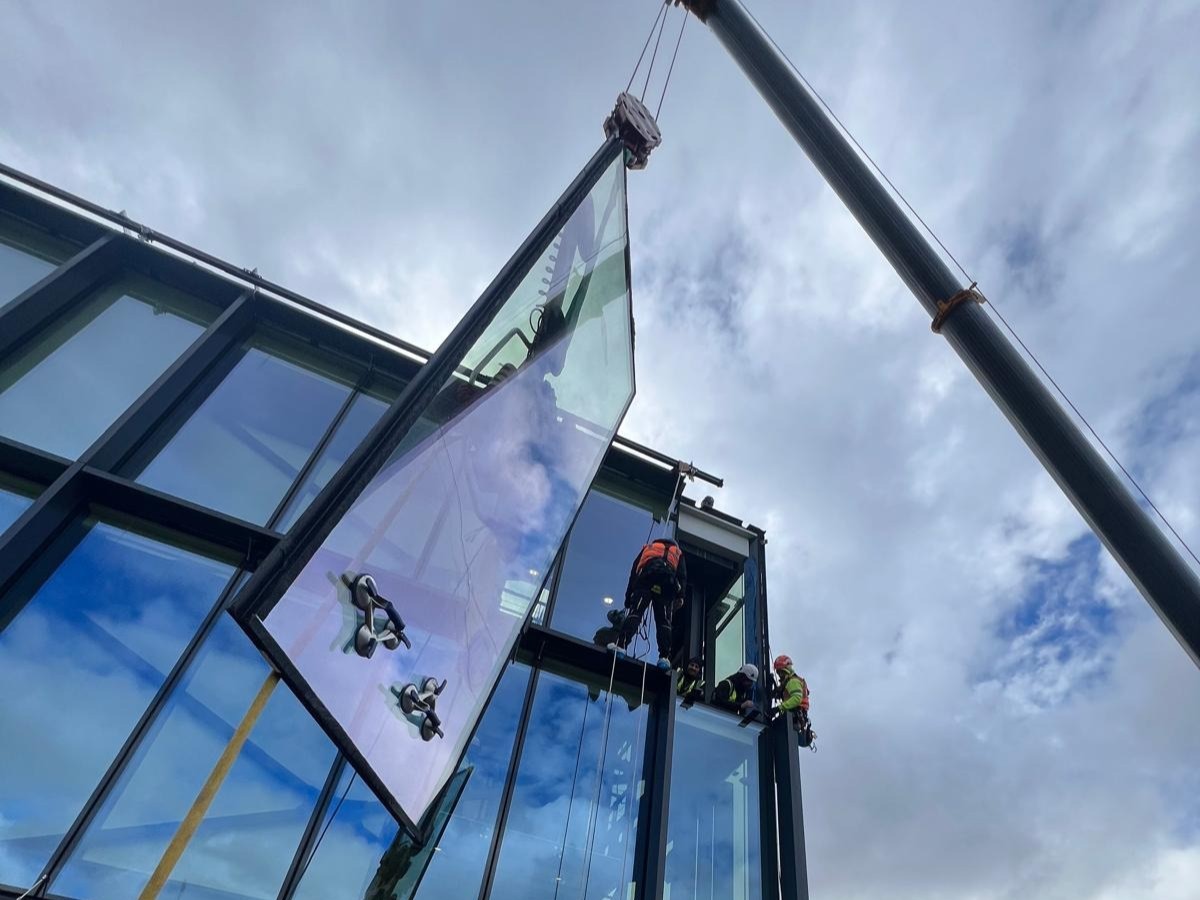
Rope access allowed operatives to reach the work area from above without using the terrace for equipment placement.
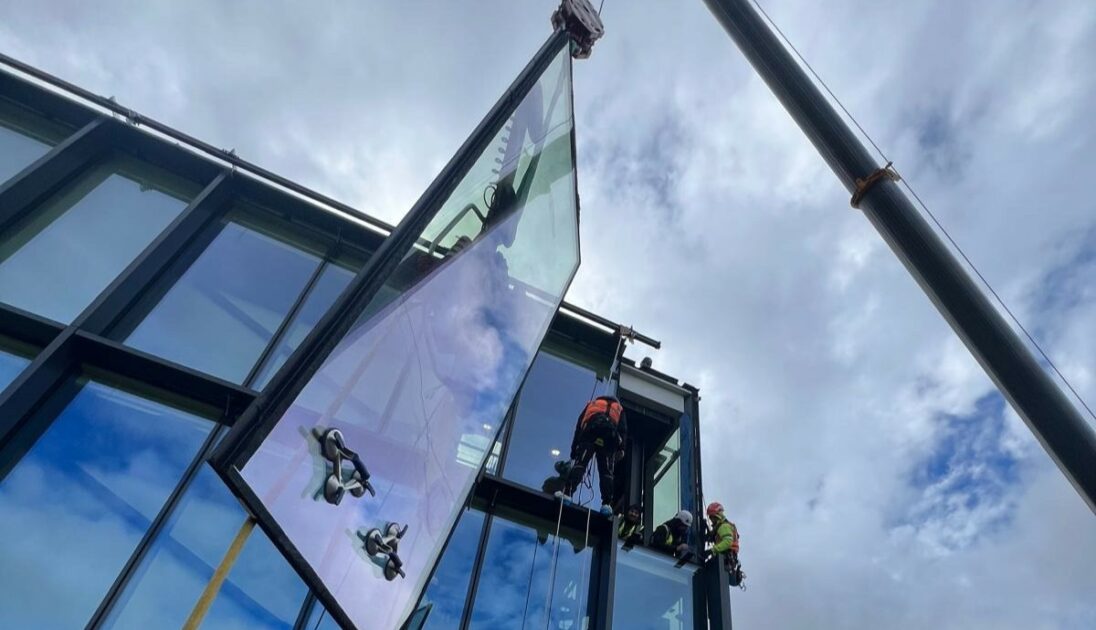
Even with safe access for operatives, the replacement units were too large and heavy to move into position by simple manual handling routes. The glass needed to be lifted and positioned under controlled conditions, with a clear sequence, to avoid delays and keep the opening exposure time to a minimum.
A contract-lift mobile crane from street level provided the safest and most controlled way to deliver the units to the installation point within the planned work window.
Since the lift took place in a busy central London location, the work required temporary traffic management and the relevant permits. The plan had to coordinate street-level controls with the lifting operation so the work could be completed in a single visit, without extended closures or repeat crane mobilisations.
Staticus scope and responsibility
Staticus acted as a single point of technical and delivery responsibility, reducing coordination risk for the client. The scope included:
- Initial investigation and technical reporting to confirm the appropriate replacement strategy
- Procurement coordination for replacement glass and associated materials
- Rope access planning and sequencing
- Full lifting strategy and coordination with the crane supplier under a contract lift
- Permitting and traffic management interfaces for works on the public highway
- Preparation and submission of all construction documentation, including method statements and risk assessments
This integrated approach ensured the intervention could be delivered once, properly, and without escalation.
Delivery and outcome
The works were delivered as a single, tightly coordinated operation over two consecutive weekends, aligned with agreed work windows.
Rope access provided safe working conditions at the façade, while the crane lift enabled precise and controlled installation of the replacement units. Public protection measures and traffic management were implemented as planned, with no requirement or extension or repeat closures.
Outcome for the client:
- Three structurally bonded glass units replaced successfully
- No accidents, incidents, or near misses
- No unplanned stoppages, missing materials, or equipment failures
- No disruption to tenants or building operations
- No requirement for return visits or additional access arrangements
- Full reinstatement of façade structural integrity and weather-tightness
The outcome was a straightforward reinstatement of the façade, delivered in a way that suited an occupied building and a central London location.
The operation was organised around a single, defined window, with the necessary controls in place at street level and at the workface. This reduced the need for additional access arrangements or return visits and allowed the building to continue operating as normal, while ensuring the replacement units were installed to the required performance standard for structurally bonded glazing.