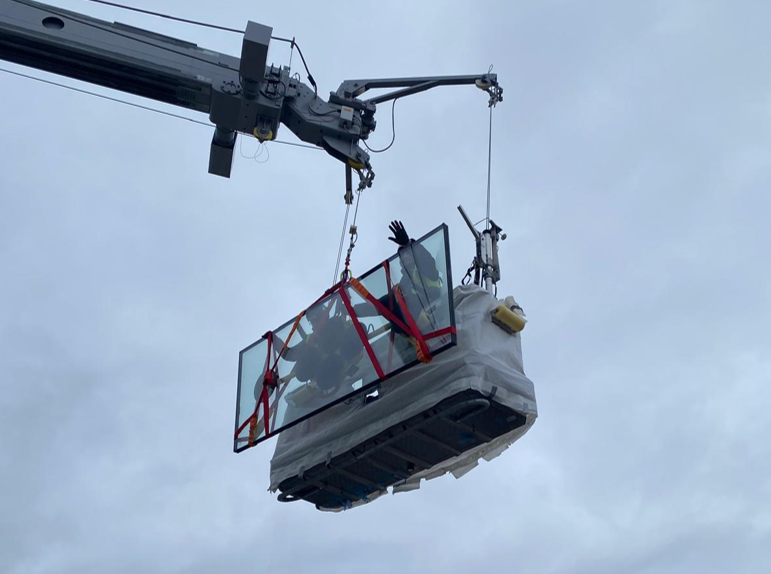
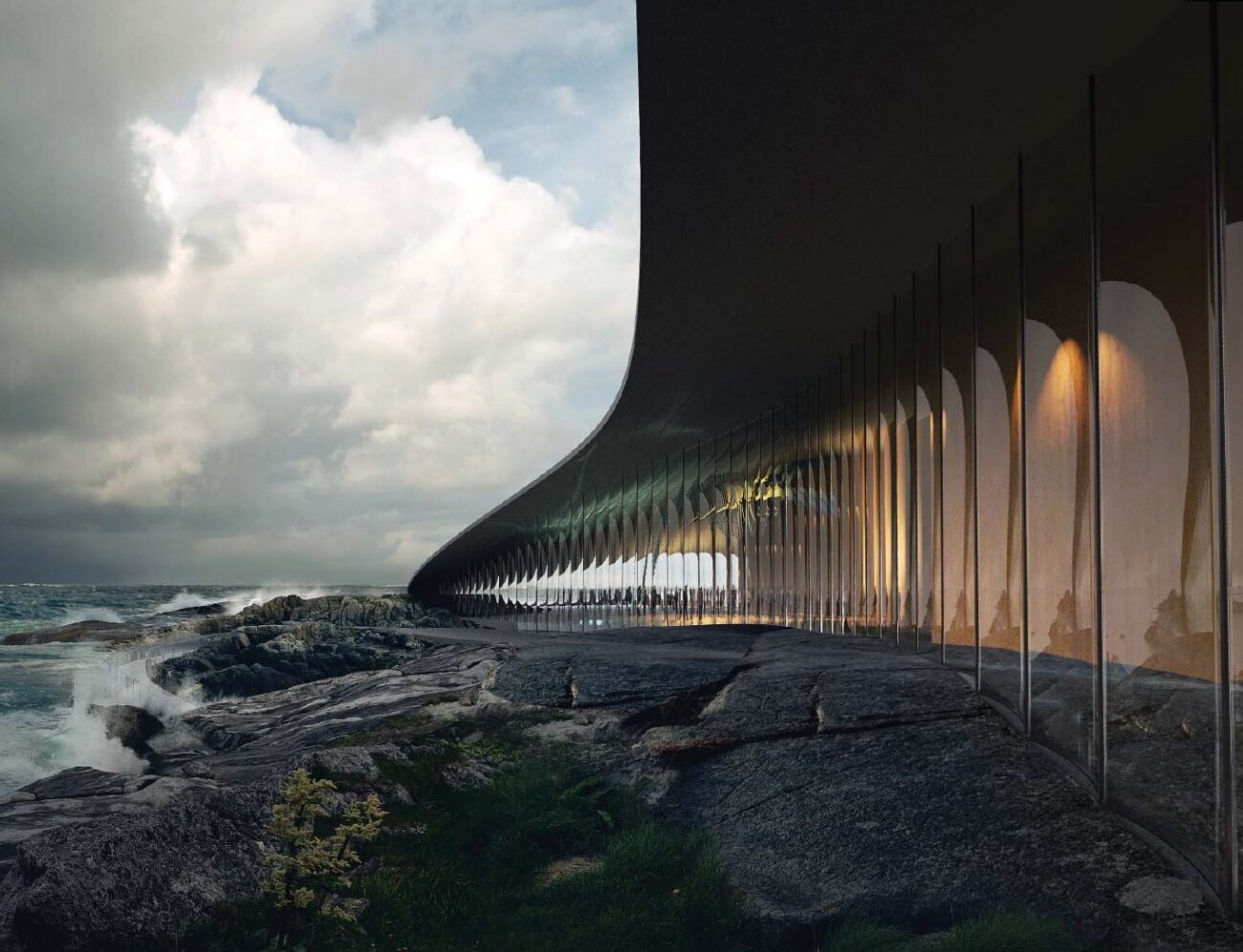
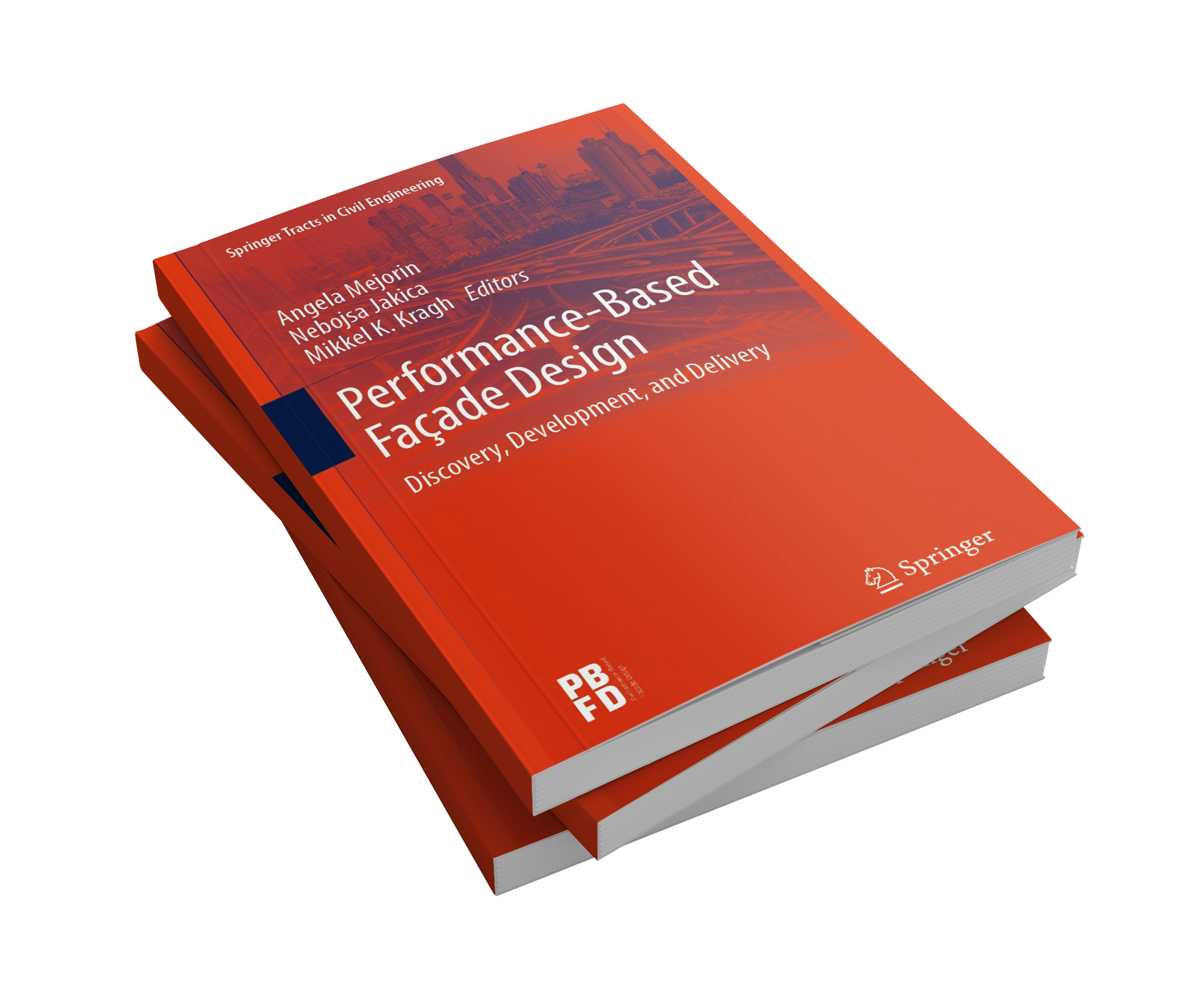
Three of our colleagues – Domas Valiukas, Ricardo Seijas and Laura Craft – have co-authored a chapter in Performance-Based Façade Design: Discovery, Development, and Delivery, published by Springer Cham in September 2026 as part of the Springer Tracts in Civil Engineering series.
Their chapter, “Next-Generation Timber Façades: Performance-Based Design and Smart Technology Integration,” draws on the development of our Timber-Hybrid Unitised Façade system and its first real-world application at Textiltorget in Stockholm.
About the book
“Performance-Based Façade Design” is edited by Angela Mejorin (founder of the Performance-Based Façade Design initiative in Venice), Nebojsa Jakica (University of Southern Denmark) and Mikkel K. Kragh (Arup). Across 16 chapters, the book brings together architects, engineers and manufacturers to examine façades as climate-responsive systems rather than static enclosures. It is organised in three parts – Discovery, Development and Delivery – moving from design foundations and digital methods through to built case studies in extreme climates, covering topics from hazard mitigation and thermal comfort to bio-based materials, lifecycle assessment and AI-driven optimisation.
The book grew out of the PBFD conference series and was launched at the PBFD 2026 conference in Venice, 16–18 September.
Our chapter sits alongside contributions on curtain wall regulation, façade access engineering, glass optimisation with machine learning and Arctic façade design – a snapshot of how broad the book’s approach to performance-based façade design is.
Inside our chapter: engineering the next generation of timber façades
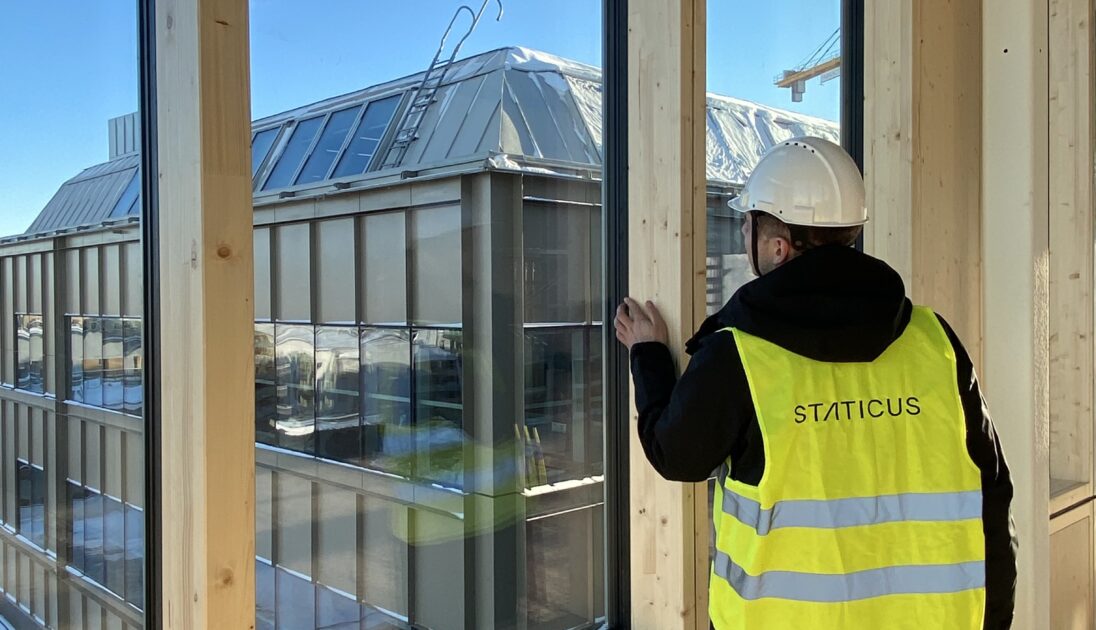
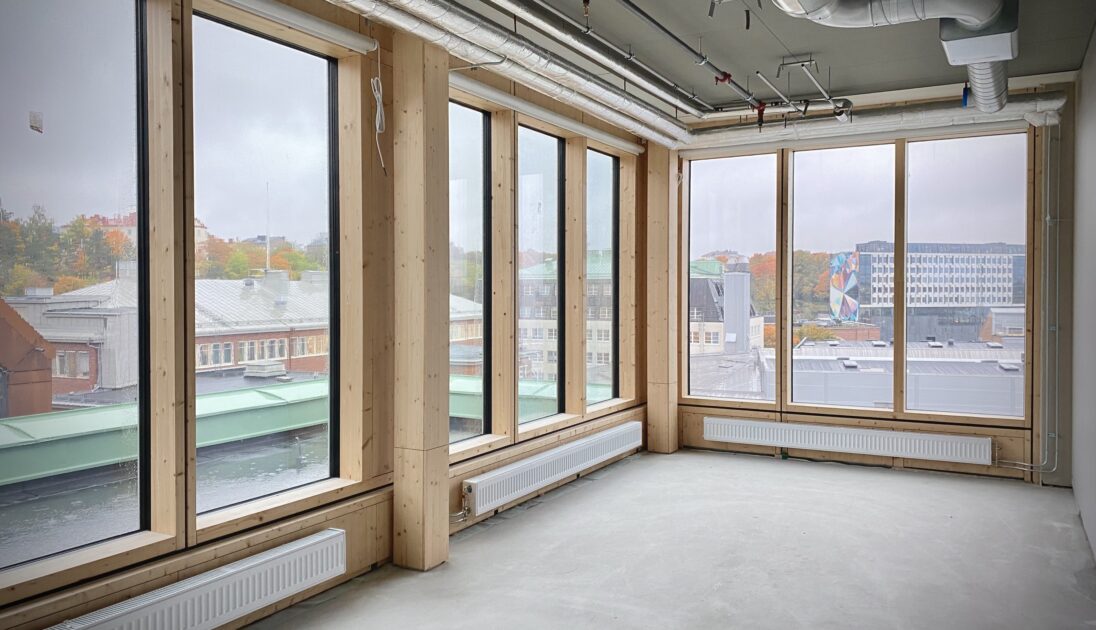
The chapter traces how our timber façades evolved from early, fully concealed modular units toward Timber-HUF: a unitised curtain wall with an internal timber frame carrying the structural load and a slim, thermally broken aluminium adaptor on the outside, bringing the reduced frame width while keeping the timber visible. Reaching that point took several rounds of structural, hygrothermal and fire testing with partners including Kaunas University of Technology, Oslo Metropolitan University and SINTEF, resulting in equilibrium moisture content kept safely below 18% and a fire classification improved to Class B.
The chapter also covers two forward-looking strands: a willow-hybrid façade prototype developed with Schmidt Hammer Lassen Architects, Pilebyg and Made out of Willow (MOOW), exploring a fast-growing, regenerative alternative to conventional softwood; and a Predictive Performance Tool developed with our partners Oslo Metropolitan University (OsloMet), Kaunas University of Technology (KTU) and SINTEF AS using IoT sensors and machine learning to monitor façade behaviour and support future predictive maintenance.
IoT sensors and predictive performance
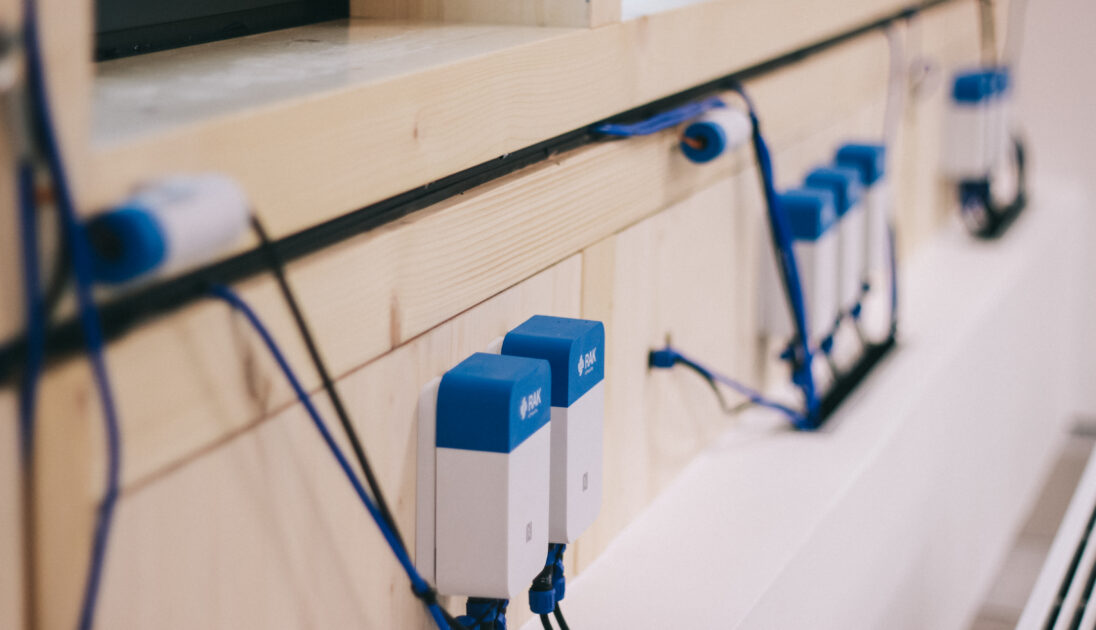
A further strand of the chapter is our Predictive Performance Tool: a network of embedded IoT sensors that has been monitoring temperature, humidity and timber moisture content on a prototype façade at our Vilnius facility for more than two years. The data feeds machine-learning models designed to flag early signs of condensation risk, with the longer-term aim of supporting predictive maintenance through our XD Façade Management Platform.
Textiltorget: the Timber-HUF system in practice
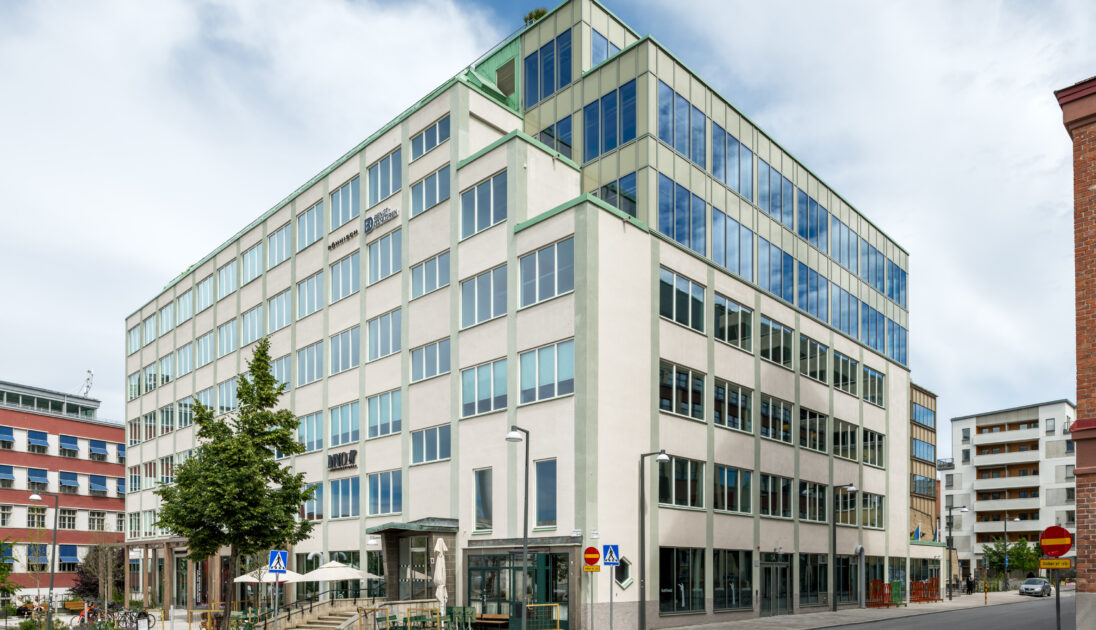
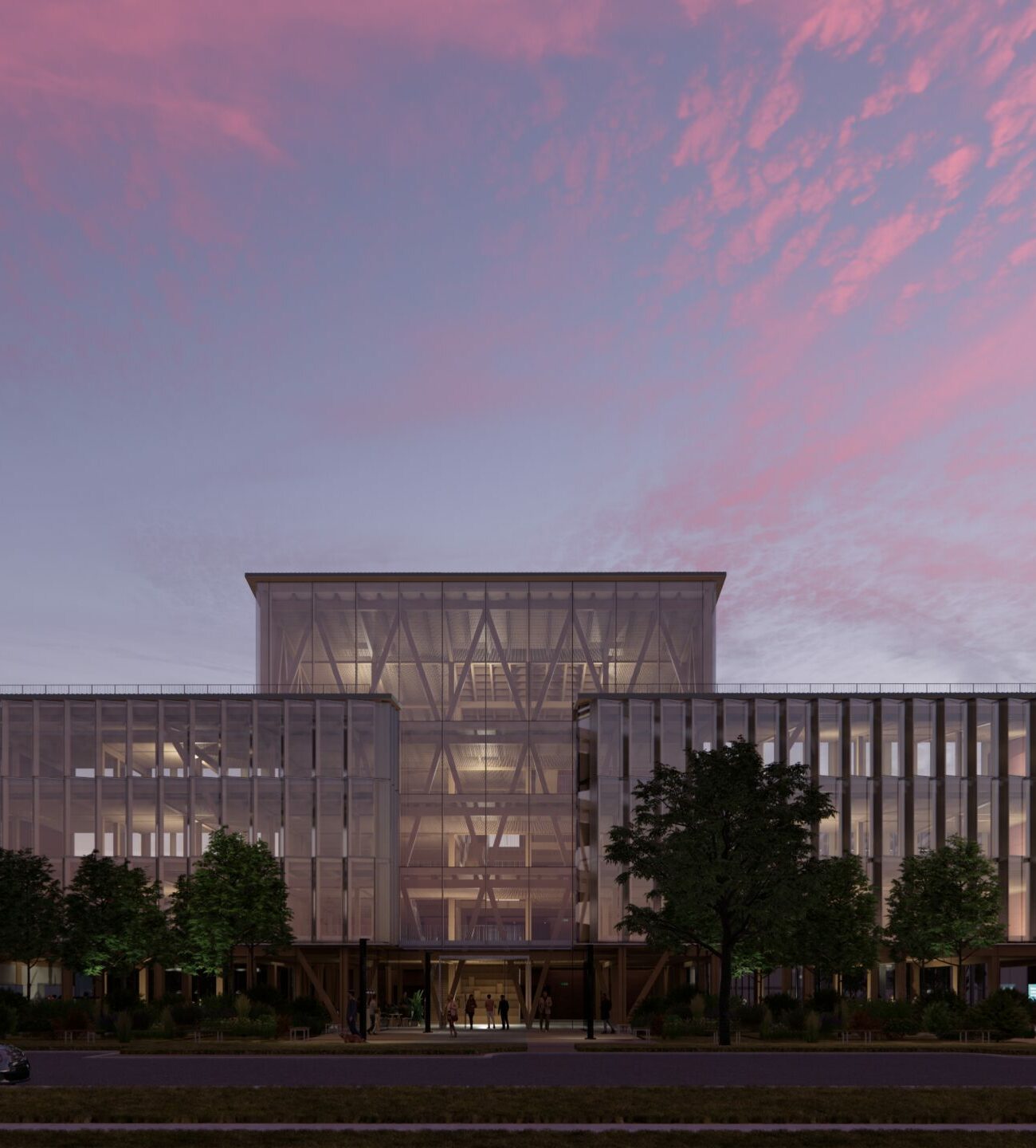
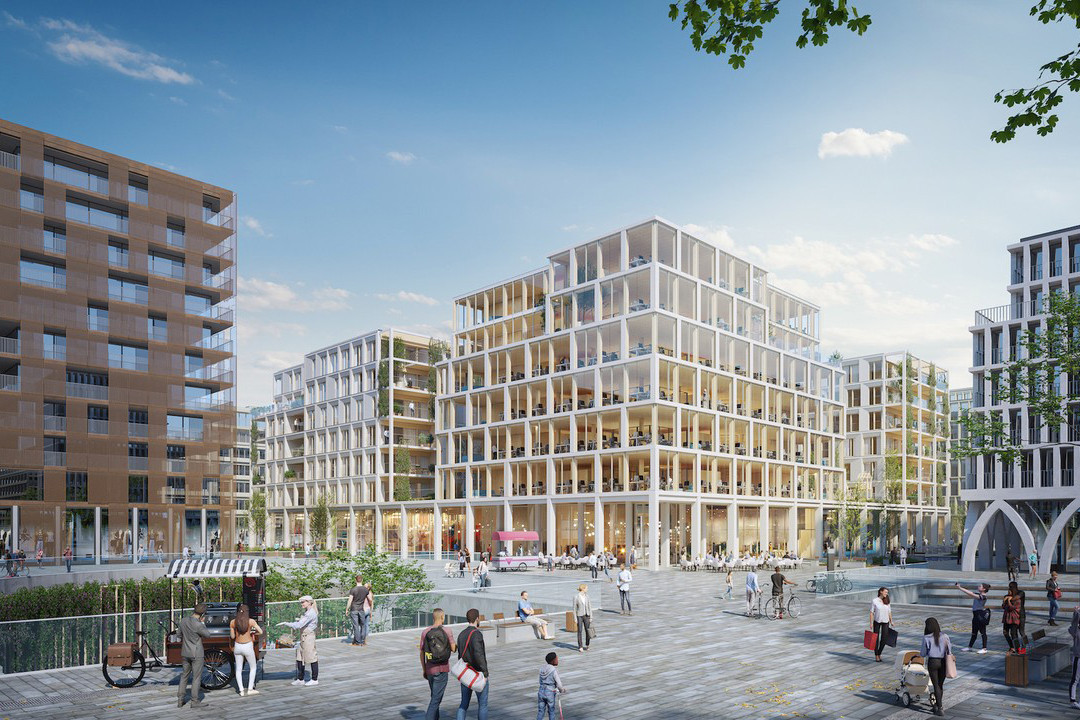
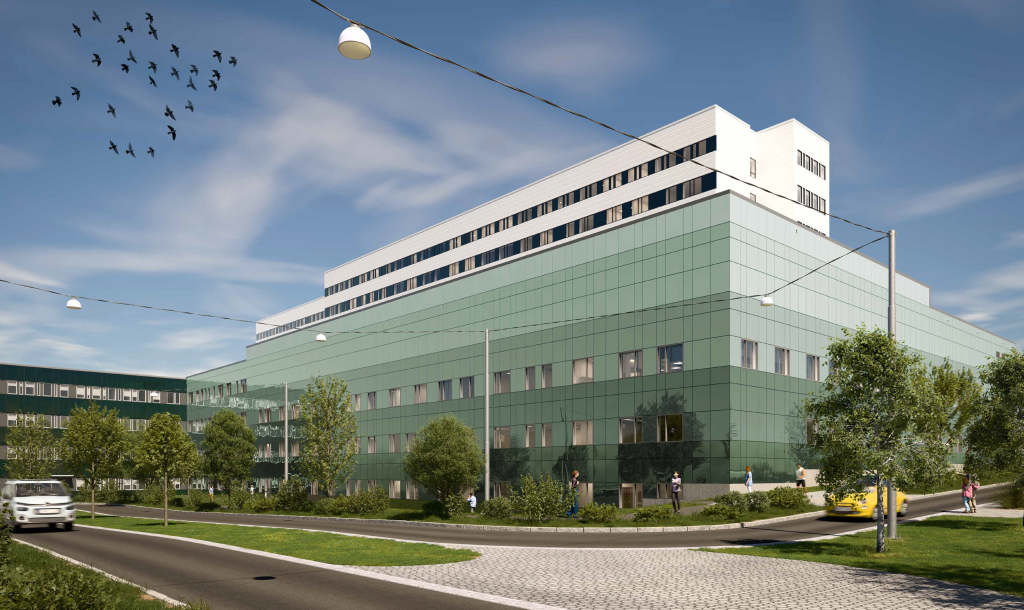
The chapter’s case study is Textiltorget, an office and retail redevelopment in Stockholm designed by LINK Arkitektur for client Fabege AB and completed in 2023 – the first project to carry our Timber-HUF system. We installed 1,400 m² of façade on the building’s upper floors, achieving a U-value of 0.46 W/m²K and cutting embodied carbon by up to 48% against a standard aluminium unitised façade system (measured for stages A1–A5 under the Centre for Windows and Cladding Technology’s methodology). Moisture content stayed within the specified 12–15% range throughout manufacturing, shipping and installation, and the unitised approach let us install up to 70 m² of façade a day on site – reducing disruption to a building that stayed occupied during the works.
Congratulations to Domas, Ricardo and Laura, and to everyone across Staticus who contributed to the research behind the chapter. Publishing this work is part of how we see our role in the façade industry – not just building and testing new systems, but sharing what we learn from them.
Chapter authors:
Domas Valiukas, Lead of System Design and Standardisation
Ricardo Seijas, IT Project Manger
Laura Craft, Head of Sustainability
Additional acknowledgements:
Within Staticus, the research behind the chapter also drew on contributions from Aulikki Sonntag (Chief Business Development Officer), Ieva Dauderytė (Head of Marketing), Simona Varkojūtė (Marketing and Communication Project Manager), Gediminas Putnikas (Head of Concept Design), Eimantas Tinginys (Façade System Designer) and Edgaras Pangonis (Head of Technical Design).
Chapter accessible:
Citing:
Valiukas, D., Seijas, R., Craft, L. (2026). Next-Generation Timber Façades: Performance-Based Design and Smart Technology Integration. In: Mejorin, A., Jakica, N., Kragh, M.K. (eds) Performance-Based Façade Design. Springer Tracts in Civil Engineering. Springer, Cham. https://doi.org/10.1007/978-3-032-28835-6_10